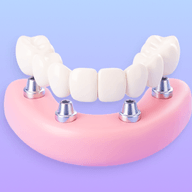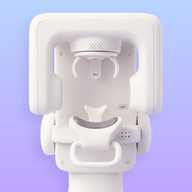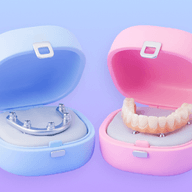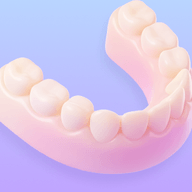





Staged plan Initial phase from 120,499 MXN/arch
Includes: Full-arch surgical guide, six implant placements, and a fixed provisional bridge. The definitive prosthesis is priced as a separate phase after healing.
COFEPRIS A.P. 2509152002A00242
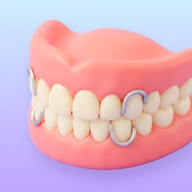
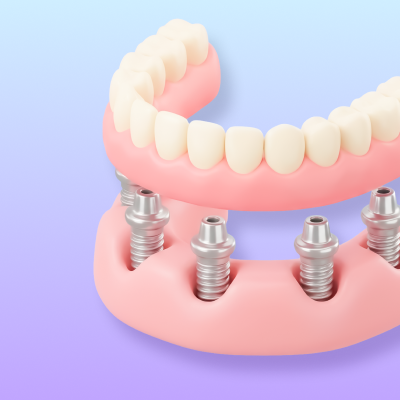
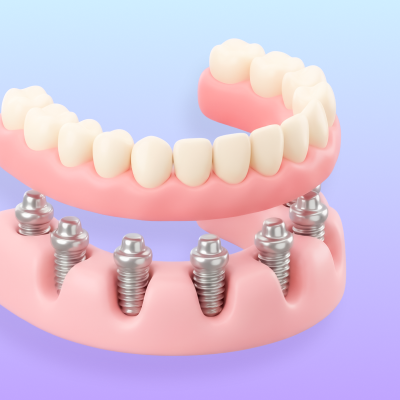
All-on-6 can replace a full upper arch, lower arch, or both with a fixed implant-supported bridge. At hisonrisa in Roma Sur, we review your scan, bite, and restorative goals to confirm when six implants may add support and how treatment is organized in stages.


Includes: Full-arch surgical guide, six implant placements, and a fixed provisional bridge. The definitive prosthesis is priced as a separate phase after healing.
COFEPRIS A.P. 2509152002A00242


Review when six implants are considered, how staged pricing works, and what must be confirmed before a fixed provisional is fitted.
At hisonrisa, All-on-6 is priced by stage and by arch. The first phase starts from 120,499 MXN and includes the surgical guide, six implant placements, and a fixed provisional bridge. Separately, the definitive prosthesis starts from 133,199 MXN per arch.
It is considered when the scan shows usable bone and the prosthetic plan may benefit from a six-implant layout. The decision depends on anatomy, bite forces, and the restorative goal. To compare four and six implants, read the All-on-4 vs All-on-6 guide .
Final records, surgery, and the provisional phase usually come first. Then the implants heal into the bone, and when the case is ready, final restorative records and the definitive bridge come later.
It may be fitted when primary stability and the surgical plan allow immediate loading. If fixation or bone quality is not sufficient, the specialist adjusts the provisional type or timing.
All-on-6 replaces most or all teeth in one arch with a fixed prosthesis. It is considered when the anatomy and prosthetic plan support a six-implant layout.
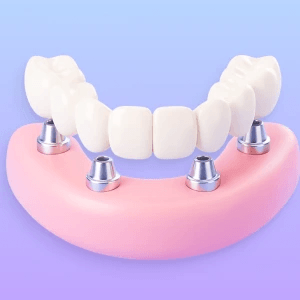
The goal is still to replace one full arch with a fixed implant-supported bridge. What changes is the implant foundation, not the basic job of the treatment.
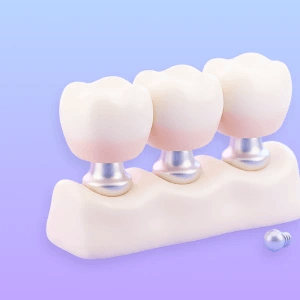
When anatomy allows it, six implants can distribute load across a broader foundation. The benefit depends on the bite and prosthetic design.
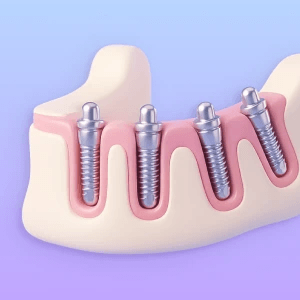
Not every arch needs six implants. The scan, bone density, and posterior anatomy help determine whether All-on-6 is appropriate.
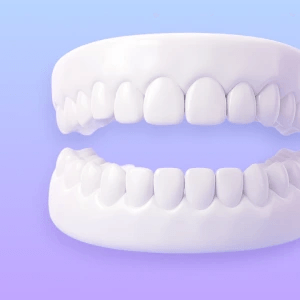
Some patients only need one arch. Others need both, and not always with the same implant count upper and lower. Planning is done one arch at a time.
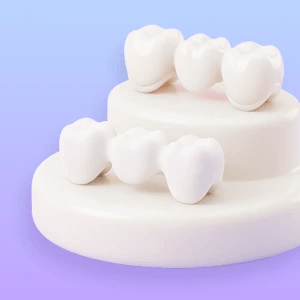
The surgical and provisional phase usually comes first. The definitive bridge is confirmed later, after healing, with new records and bite adjustments.
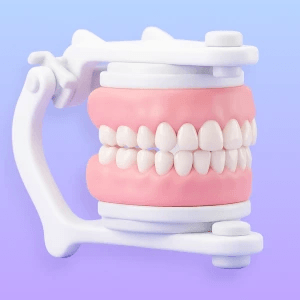
The plan should explain whether six implants help distribute bite forces and support the prosthesis for that arch.
The evaluation starts with the problem you need to solve: failing teeth, an unstable removable denture, or repairs that no longer offer a durable solution.

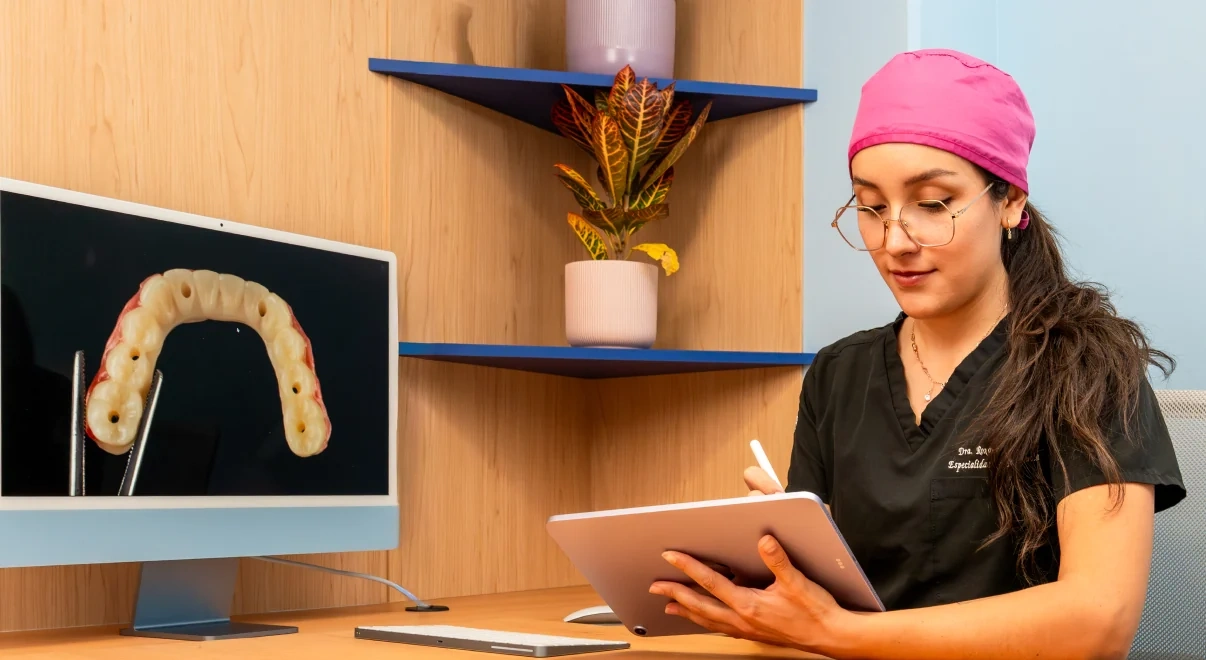
The scan, available bone, bite, and prosthetic plan help determine whether six implants are indicated. Loading a fixed provisional is confirmed separately according to case stability.
The decision depends on anatomy, bite forces, and restorative goals. Six implants are considered when the specialist identifies a clinical reason for that layout.
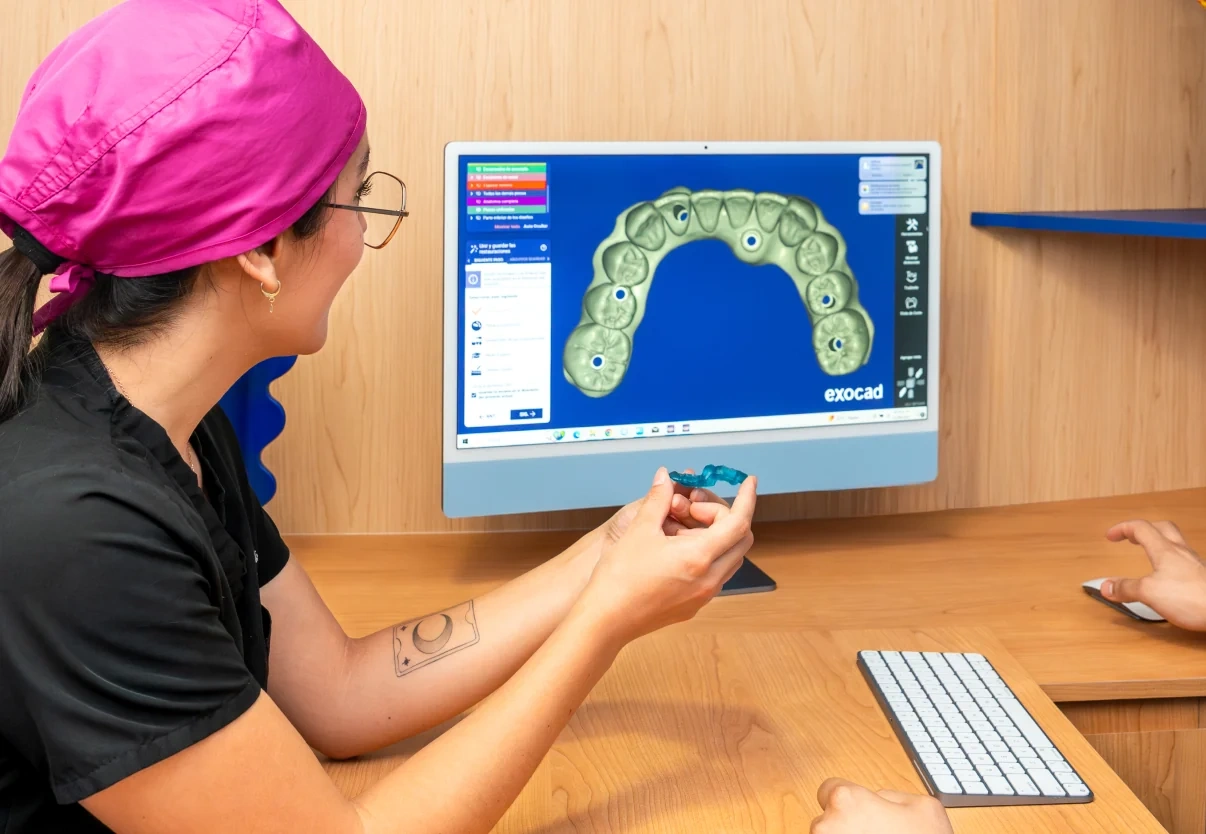
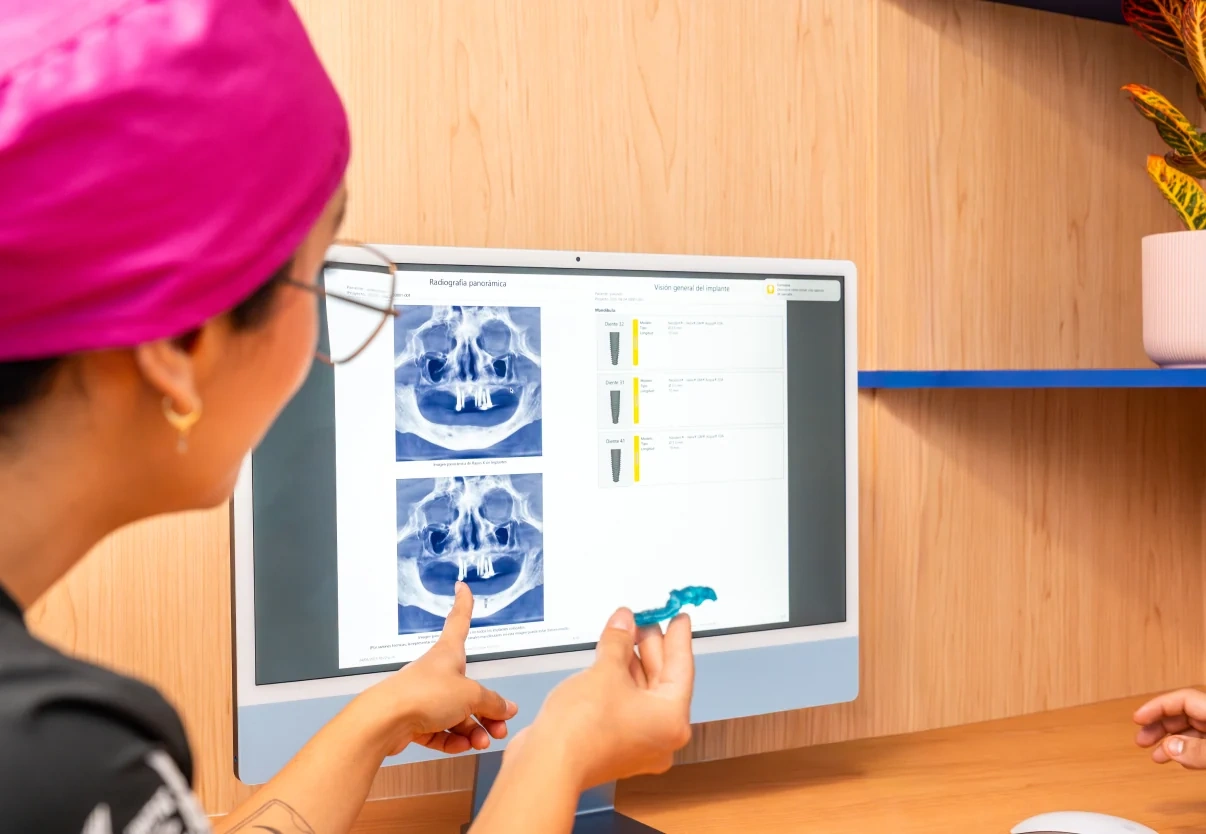
All-on-6 pricing is organized by arch and by stage. The surgical guide, implant placement, fixed provisional, and definitive prosthesis are separated so you can compare the same scope.
This is the surgical phase per arch. It covers implant placement and the confirmed surgical planning for that arch.
75,594 MXN /arch
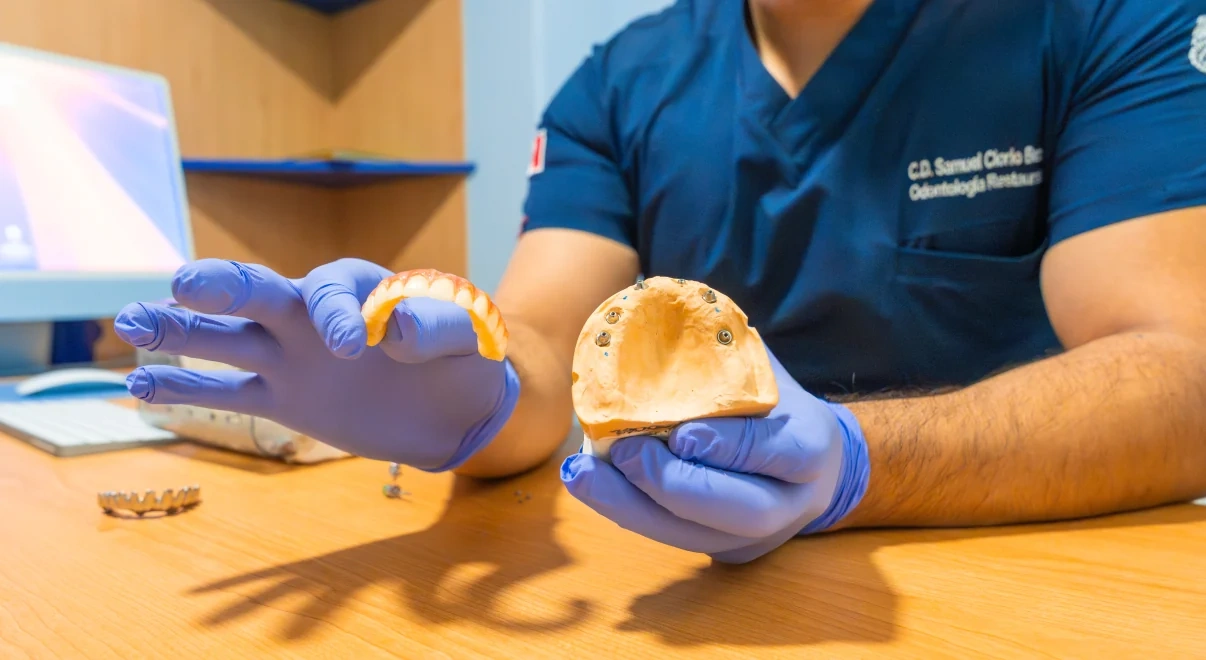
The provisional is the healing-phase bridge. It is not the same prosthesis you wear long term and it should not be confused with the definitive restoration.
35,000 MXN /arch
The definitive bridge belongs to the restorative phase after osseointegration. This is when final records, bite adjustment, and the final restorative plan are confirmed.
133,199 MXN /arch
The All-on-6 first phase starts from 120,499 MXN per arch and includes the surgical guide, six implant placements, and a fixed provisional bridge. The definitive prosthesis is priced separately after healing. Each arch is confirmed after the scan and clinical plan are reviewed.
All-on-6 is usually staged, with surgery and a possible provisional phase before the definitive prosthesis. The sequence and timing depend on CBCT review, clinical evaluation, stability, healing, and restorative planning.
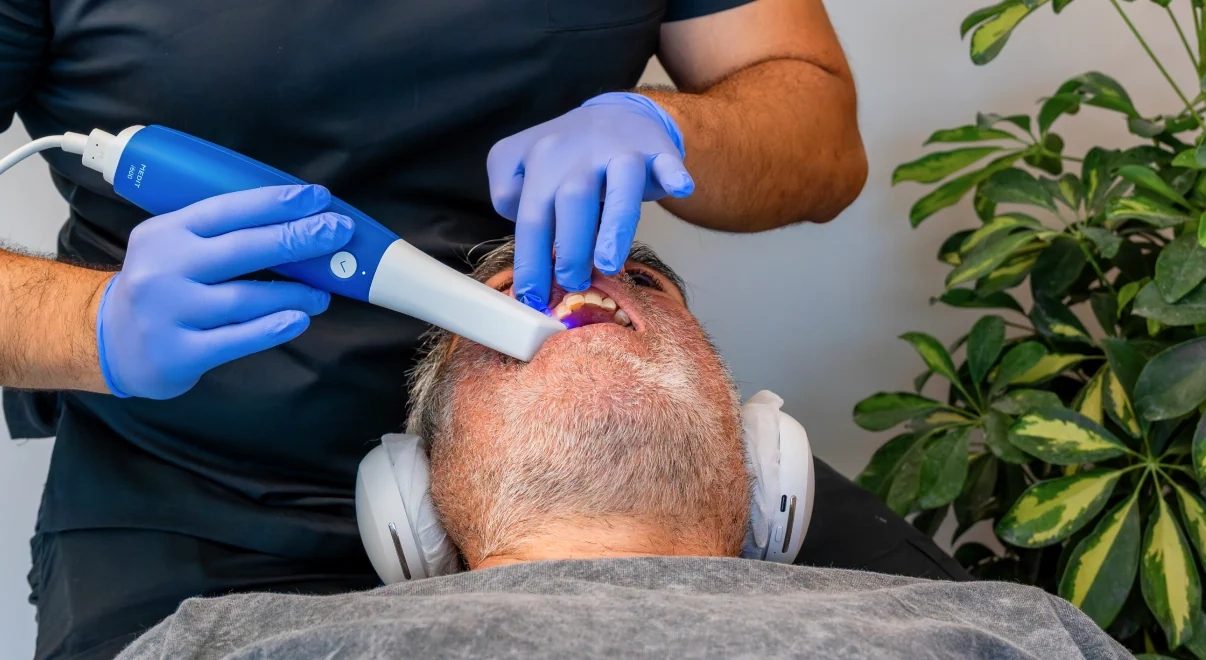
Full-arch implant cases do not depend on a single clinician. This lineup stays tight to prosthetic planning, implant placement, periodontal health, provisional follow-through, and restorative sequencing.
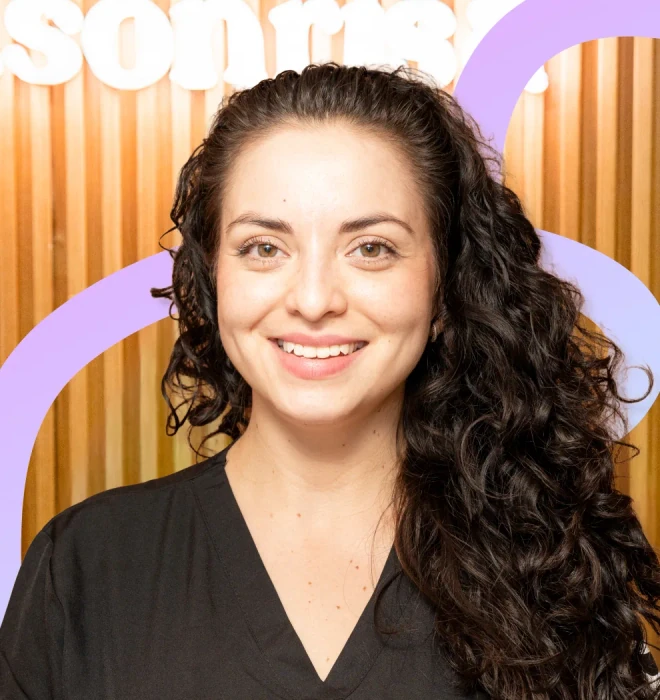
Registered nurse and patient experience lead helping with messages, scheduling, and follow-up.
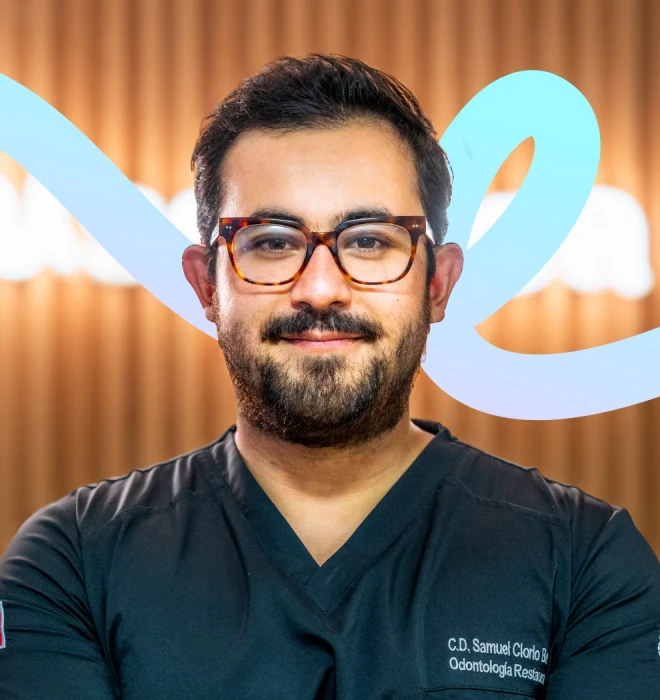
Plans the prosthetic and restorative side of the full-arch case so implant position, bite, provisional bridge, and final prosthesis work toward the same long-term result.

Plans and places implants while evaluating periodontal health, bone support, and soft-tissue stability for a more predictable full-arch foundation.
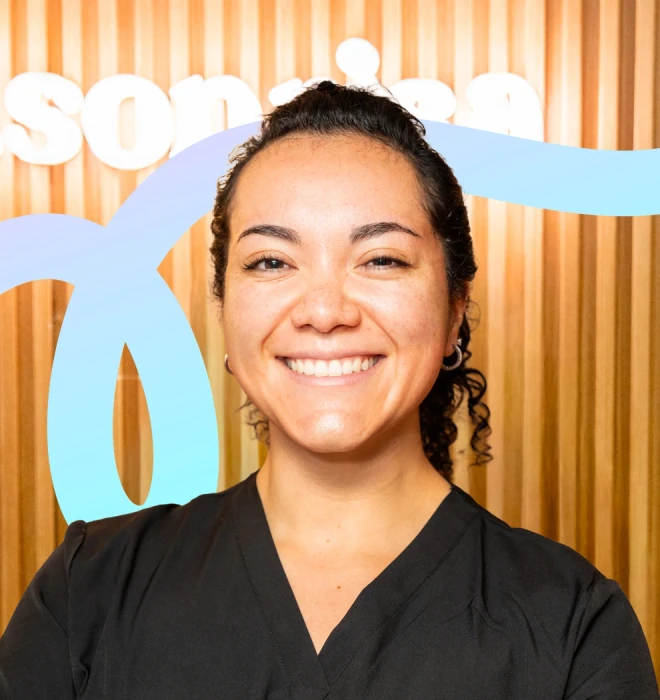
Supports diagnostics, communication, and the practical follow-through that matters between the surgical trip and the return restorative visit.
Review the expected stay, follow-up between phases, and treatment scope before arranging travel. The clinical team confirms the timing after reviewing your records and plan.
| Plan | Overview |
|---|---|
 How much time should I allow for the first phase? How much time should I allow for the first phase? | The first phase may require several days for review, surgery, the provisional, and follow-up. The window is confirmed after CBCT review, surgical planning, expected recovery, and availability. |
 How much time should I allow for the definitive phase? How much time should I allow for the definitive phase? | The definitive phase may require several days for records, lab work, and prosthesis delivery. The window depends on healing, adjustments, and availability. |
 What happens between trips? What happens between trips? | You go home to heal while the team reviews progress, comfort, hygiene, diet, and questions before confirming the definitive phase. For warning signs, provisional-bridge care, and travel after surgery, use the All-on-4 / All-on-6 aftercare guide . |
 Where should I stay? Where should I stay? | Roma Sur, Condesa, and Roma Norte are usually the easiest zones for walkability, soft-food options, and short rides to the clinic. |
 Flying to CDMX Flying to CDMX | AICM is the main arrival airport for most international patients, and Roma Sur is usually an easy Uber ride away. Before you set the itinerary, see how to plan dental care in Mexico City from abroad . |
 How should I think about the budget? How should I think about the budget? | For both arches, the first phase starts from 240,999 MXN and includes two surgical guides, six implant placements per arch, and fixed provisional bridges. The definitive phase, additional procedures, flights, and hotel are separate. |
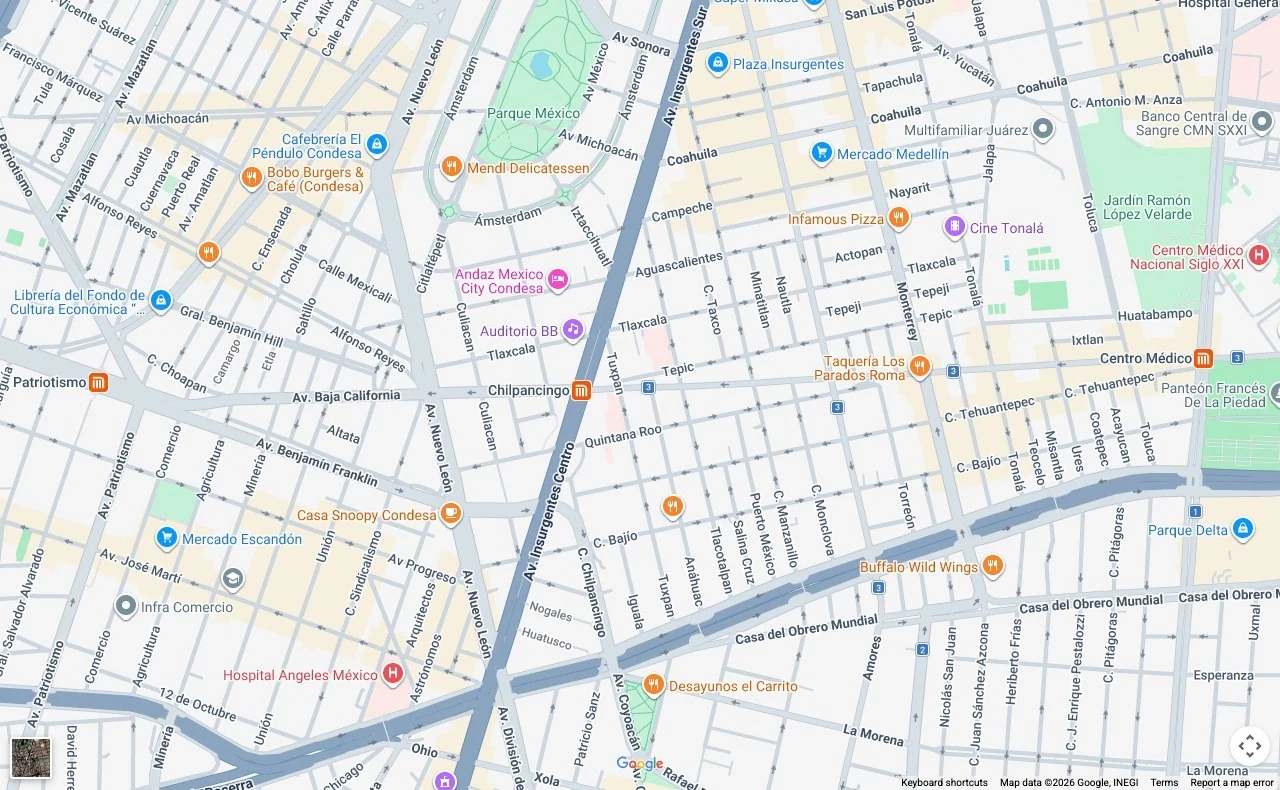
In staged treatment, being easy to return to matters. Our clinic in Roma Sur is practical for local patients and for people flying into CDMX for the surgical trip and the definitive phase.
Tepic 139-706, Roma Sur, Cuauhtémoc, 06760 Ciudad de México, CDMX
Review when six implants are considered, what each published figure includes, how the provisional is confirmed, and which alternatives may be evaluated.
All-on-6 is a fixed full-arch restoration supported by six implants in one upper or lower arch. It is considered when the anatomy, bite, and restorative plan justify that level of support.
We review the scan, arch shape, bite forces, available bone, health history, and whether a provisional phase followed by a definitive bridge can be planned safely. The plan is confirmed per arch after clinical evaluation.
Pricing is organized by stage and by arch. The first phase starts from 120,499 MXN and includes the surgical guide, six implant placements, and a fixed provisional bridge. The published 218,699 MXN reference includes the surgical guide, six implant placements, and a definitive prosthesis estimate; it excludes the fixed provisional bridge. The evaluation confirms which breakdown applies to your plan.
The first-phase starting price includes the full-arch surgical guide, six implant placements, and a fixed provisional bridge for one arch. The definitive prosthesis is priced as a separate restorative phase. CBCT or other diagnostic imaging, extractions, grafting or bone regeneration, sinus lift, periodontal care, treatment on other teeth, medications, flights, and hotel are priced separately when needed. For general CBCT, grafting, sinus lift, or non-full-arch implant planning, review the dental implants page .
The first-phase figure does not include the definitive prosthesis. That phase is priced after healing, restorative records, bite, and prosthetic design are reviewed. The published guide, surgery, and definitive-prosthesis reference does include an estimate for that restoration, but excludes the fixed provisional.
A fixed provisional bridge may be fitted when primary stability and the surgical plan allow immediate loading. If that is not prudent, the specialist adjusts the provisional type or sequence.
Because the surgical and provisional phase usually happens first, and the definitive bridge is delayed until after osseointegration. The exact interval depends on healing, records, lab timing, and specialist review.
Message us before you keep chewing or travel if the bridge clicks, loosens, changes your bite, swelling increases, or bad taste, bad smell, fever, or pus appears. For warning signs, diet, hygiene, provisional bridge care, and travel after surgery, use the All-on-4 / All-on-6 aftercare guide .
Whether one arch or both are treated, whether extractions, grafting, tissue work, or other clinically needed add-ons are involved, and how the final restorative plan is confirmed after healing.
Not always. The upper and lower arch can have different anatomy, available bone, and bite forces. Each arch is confirmed separately after the scan and restorative plan are reviewed.
An All-on-6 bridge is designed to remain fixed in the mouth and is normally removed only by a dental professional when needed. An implant overdenture also receives support from implants, but the patient removes it for daily cleaning. The appropriate design depends on the available bone, implant positions, bite, hygiene access, restorative space, maintenance needs, and budget. Neither option is automatically better for every patient.
A different sequence, grafting first, All-on-4, or another fixed or removable option may be considered. The goal is a stable plan that fits your anatomy. To understand how four and six implants are compared, read the All-on-4 vs All-on-6 guide .
The implants are meant to be a long-term solution when they heal well and are maintained properly. The bridge and its components usually need maintenance, repair, or replacement over time depending on the material, hygiene, and bite forces.
We provide written quotes, itemized records, and stage-by-stage payment timing so each part of the plan is clear before treatment.
Currencies: MXN quotes with USD estimates can be shared, and major cards are accepted so you can compare options before you commit.

Quotes: The written plan separates the surgical, provisional, and definitive restorative phases, including what is confirmed and what still depends on review.

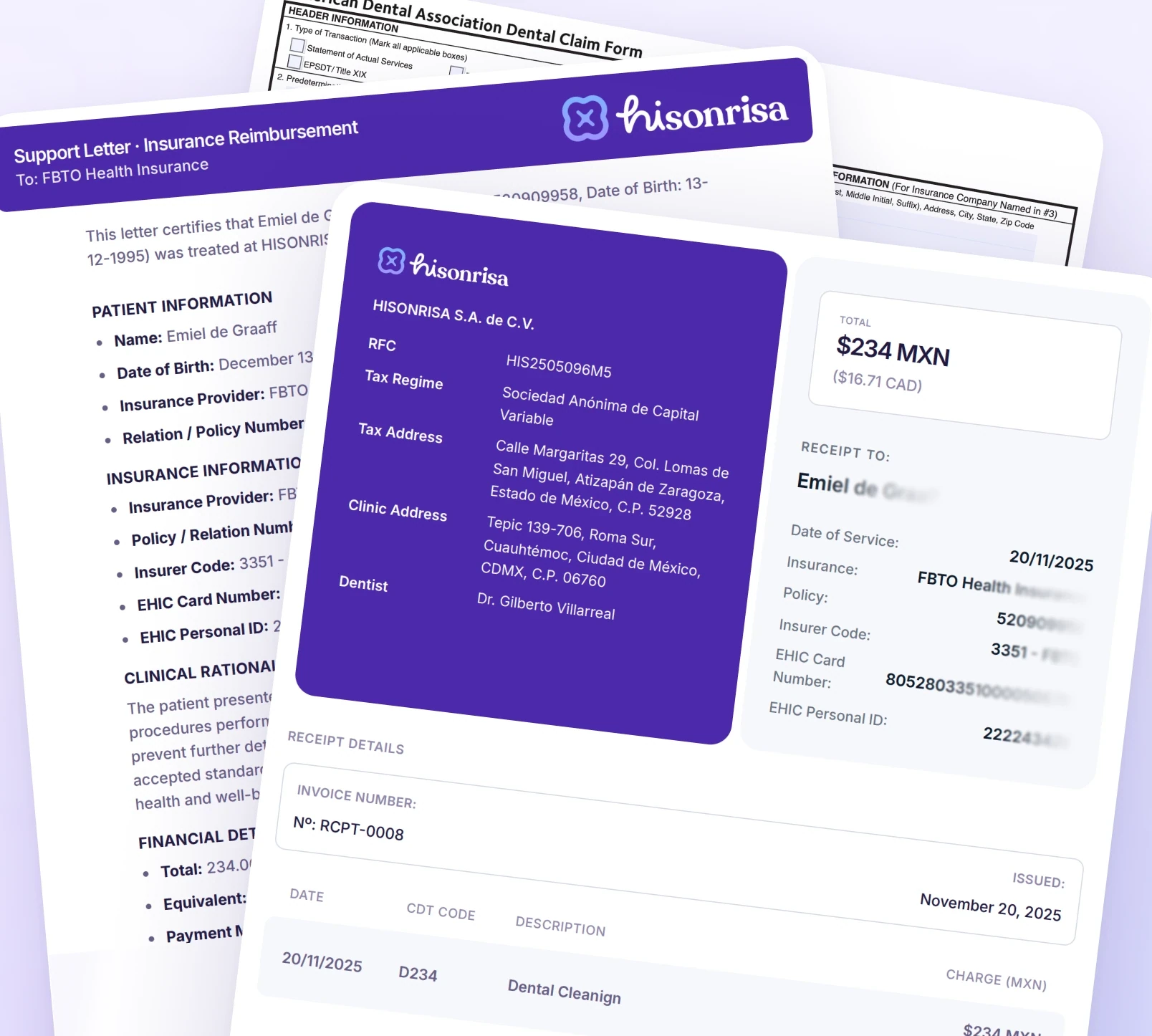
Invoices: Itemized English invoices are available for records, insurance follow-up, HSA or FSA use, or tax conversations at home.

Payment timing: All-on-6 is typically split across surgical, provisional, and later restorative phases rather than one oversized upfront payment.
If you already have a CT scan, X-rays, or photos, share what you have. The team can review the available information and explain what still needs to be confirmed before recommending the implant count, provisional, or final plan.
Need a leaner full-arch plan or a different replacement path? These are the services patients usually compare after reviewing All-on-6.