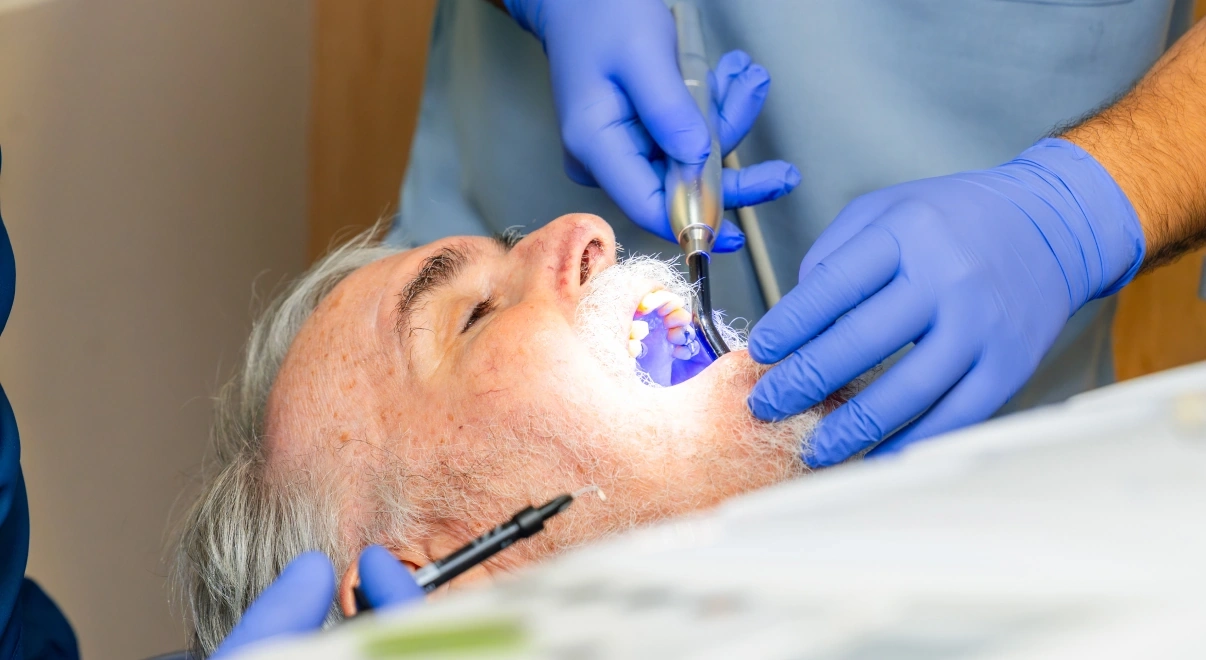








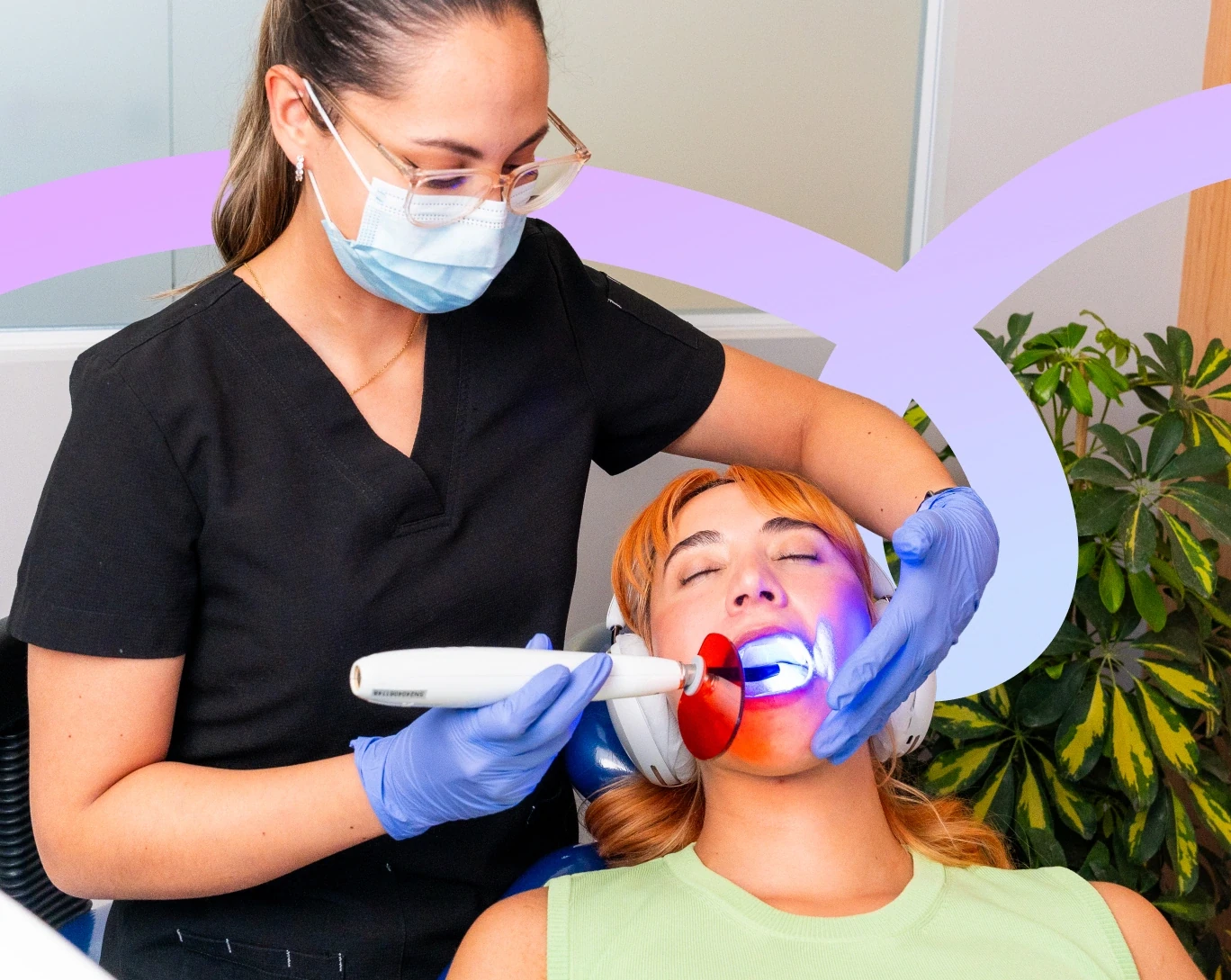
Includes: the composite restoration itself: anesthesia if needed, preparation, bonding, shaping, polishing, and bite adjustment. Exam, imaging, emergency care, and other treatments are quoted separately when needed.
COFEPRIS A.P. 2509152002A00242
Tooth-colored fillings in Roma Sur with a clear plan
Book this visit if you have a small cavity, a filling that came out, or a chipped edge that may still be repairable with composite. We first check whether a filling is actually enough, confirm the small-or-large category and MXN quote, and explain the plan before we start.
Includes: the composite restoration itself: anesthesia if needed, preparation, bonding, shaping, polishing, and bite adjustment. Exam, imaging, emergency care, and other treatments are quoted separately when needed.
COFEPRIS A.P. 2509152002A00242
If you are here because of a small cavity, a filling that came out, or a small chip, these are the questions people usually ask next: cost, timing, category, and how to book without making the visit feel more complicated than it is.
Usually yes if you have a small cavity, a loose or missing filling, a dark spot that may be decay, or a small chip that may still be repairable with composite. If the pain feels deep or the tooth is badly broken, we start with an exam and the plan may change.
A small filling is currently 1,499 MXN and a larger 2-to-3-surface filling is 1,999 MXN. We confirm the right category after the exam.
You can book online or message us on WhatsApp . We confirm availability and answer practical questions before your visit.
It depends on how many tooth surfaces are involved. A 1-surface cavity is usually the small category. If the repair extends across 2 or 3 sides of the tooth, it usually moves into the large category.

Yes. Our team supports patients in English and Spanish, so the diagnosis, the price category, and the aftercare can all be explained clearly.
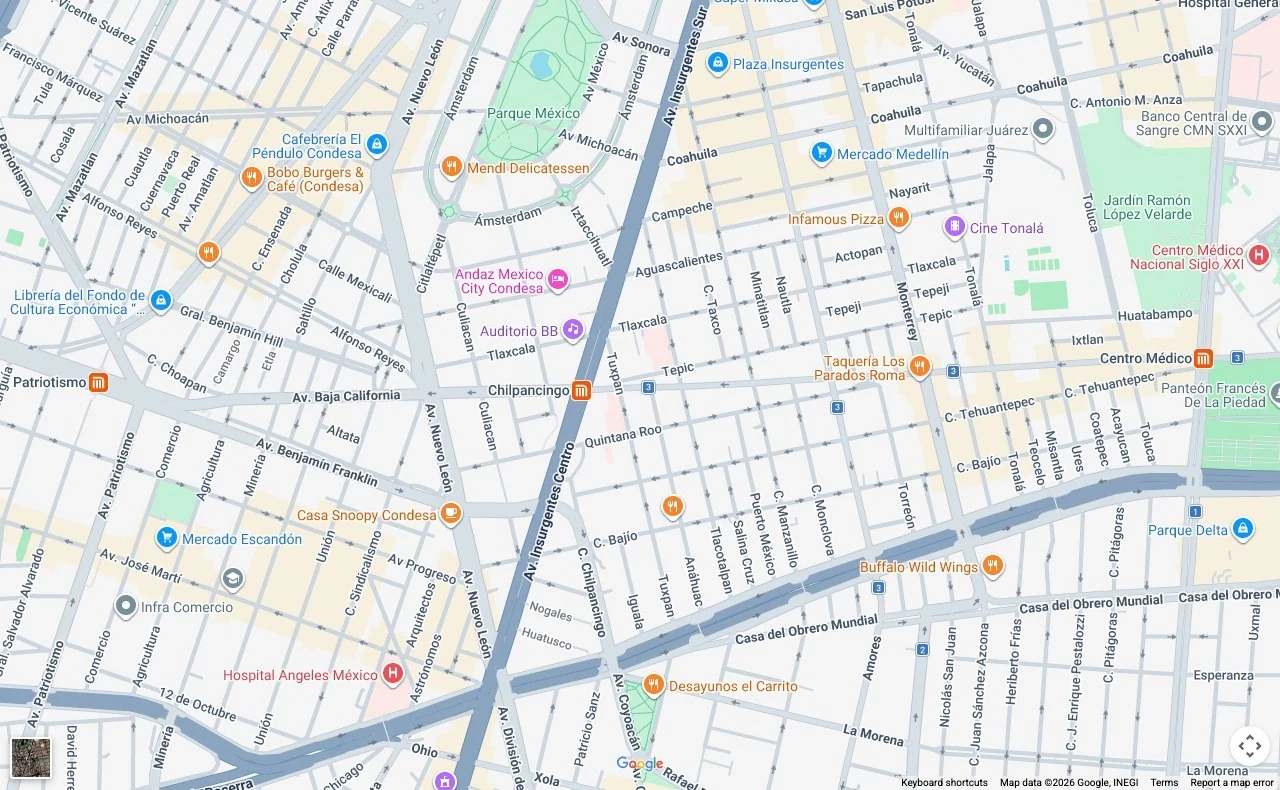
We are in Roma Sur, close to Condesa, Roma Norte, and Narvarte, and a short walk from Metro Chilpancingo.
The difference between a small filling and a larger one is not just which tooth is involved. It also depends on how much of the tooth needs repair and how much rebuilding the restoration takes.
These are clinic-wide reviews, but they are useful here because they show what patients often notice on straightforward restorative visits: clear explanations, calm care, and next steps that make sense.
A filling visit makes sense when the tooth still looks repairable with a direct restoration. We also show where it makes sense to slow down and check whether the tooth needs something more than a direct repair.
Lost filling
A lot of filling visits start here. The next question is how much sound tooth is left and whether a direct repair is still stable enough.
Good fit if:
A white or silver filling came out
The area feels rough or food keeps packing there
A very large part of the tooth does not seem to be missing
Why it matters: If there is deep decay or a larger fracture under the old filling, the plan may change.
Small cavity
This is often the clearest filling case. If the problem is still localized and the tooth keeps enough structure, the repair is usually straightforward.
Good fit if:
Sensitivity is mild or mostly shows up with cold or sweets
The dark area looks small or localized
You want to treat it before the tooth breaks down further
Why it matters: The earlier it is treated, the more conservative the repair usually stays.
Small chip
Some smaller breaks can be repaired with composite if the tooth is still strong and the fracture line does not run too deep.
Good fit if:
The shape changed, but it does not look like a major break
There is no major swelling or pain that lingers for hours
You want a direct tooth-colored repair
Why it matters: If too much structure is gone, a crown may hold up better than a filling.
Pain on biting
Pain on biting, stronger sensitivity, or discomfort that does not settle can come from a leaking filling, deeper decay, or a crack. This is where we stop guessing and examine the tooth properly.
Good fit if:
The pain shows up when you bite down or chew
You are not sure whether it is decay, a crack, or an old filling
You do not want to treat it like a simple filling if the tooth needs more
Why it matters: If the nerve or the remaining tooth structure is already compromised, we may talk about a crown, a root canal, or another restoration.
Not sure? The first step is still a normal exam. We tell you whether a filling makes sense, whether the tooth should be monitored, or whether a crown or another treatment would be more predictable.
Fillings are direct tooth-colored repairs for small-to-moderate cavities, old filling leakage, minor chips, or worn edges. This guide separates them from bonding, veneers, inlays/onlays, crowns, root canal care, extraction, and urgent care before we promise a plan.
Localized decay
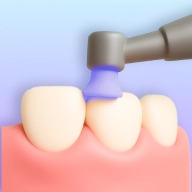
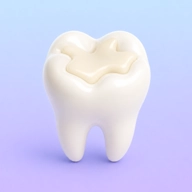
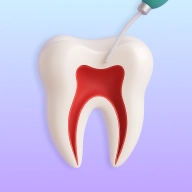
If decay is localized and enough healthy tooth remains, a direct composite filling can clean out the damaged area and seal the tooth with tooth-colored material.
Most filling visits start with our general dentists. If the tooth needs more support or a nerve check, we explain why and bring in the right doctor.
Registered nurse and patient experience lead helping with messages, scheduling, and follow-up.
General dentist focused on conservative repairs, replacing worn fillings, and making same-visit restorative care feel simple.
Focused on exams, cavity treatment, and straightforward restorative visits that need a clear explanation before anything starts.
Steps in when the decay may be deeper than expected and the nerve needs separate evaluation before a filling is the right move.
Helps when a tooth has lost more structure and the conversation shifts from a direct filling to a crown, prosthetic option, or broader restorative plan.
Supports cases where gum health or isolation matters for a cleaner, more predictable restoration outcome.
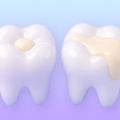
Here you can compare the small 1-surface filling and the larger 2-to-3-surface filling. We still confirm the final category after the exam.
Last updated: June 3, 2026
Calculate your treatment price in Mexico City
Build a planning estimate in seconds. Select treatments, adjust quantities, and compare your plan with U.S. estimates.
Select treatments to see your estimate
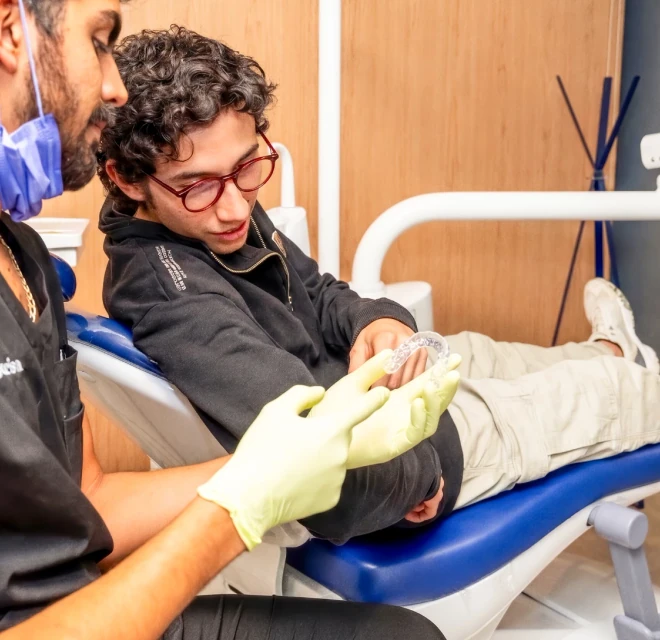
The visit usually moves from first message to final bite check. We confirm that a filling is actually the right treatment, repair the tooth, and re-check the bite before you leave.
Tell us which tooth is bothering you, whether there is pain, and whether you want a new cavity checked or an older filling replaced. We confirm availability and the expected visit length.
We examine the tooth, take photos, and use X-rays only when they genuinely help us decide the treatment. That tells us whether a filling is still the best option.
We explain whether the filling is small or large, clarify what the restoration covers and what is quoted separately, and confirm the MXN amount before anything starts.
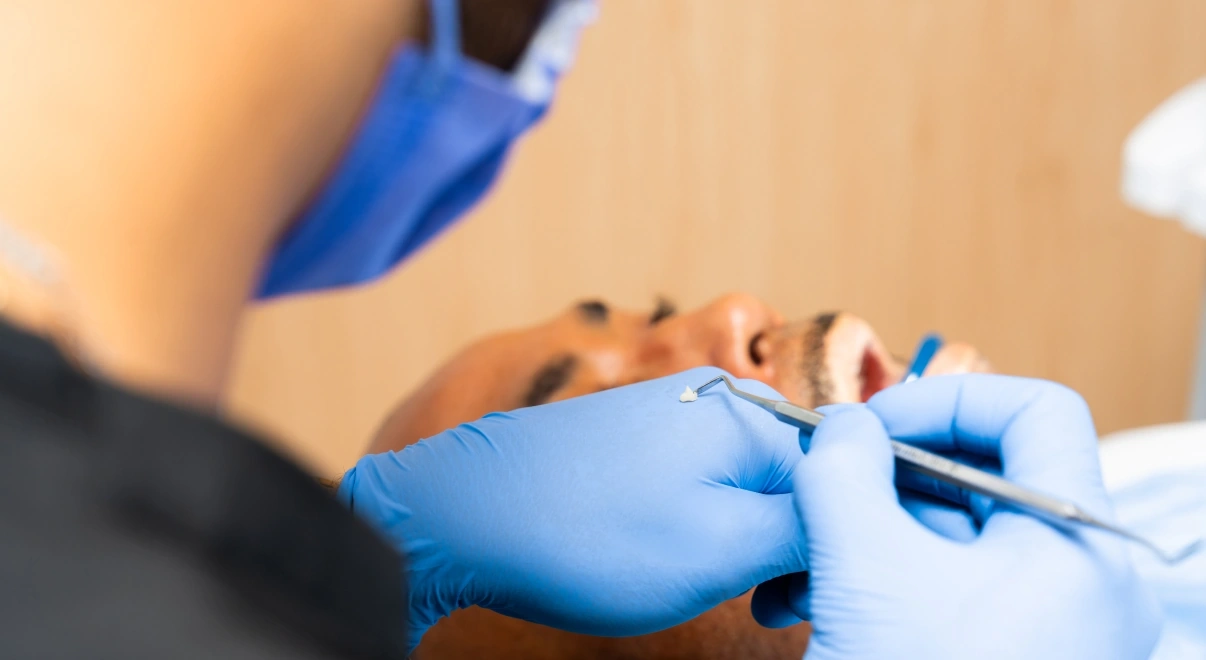
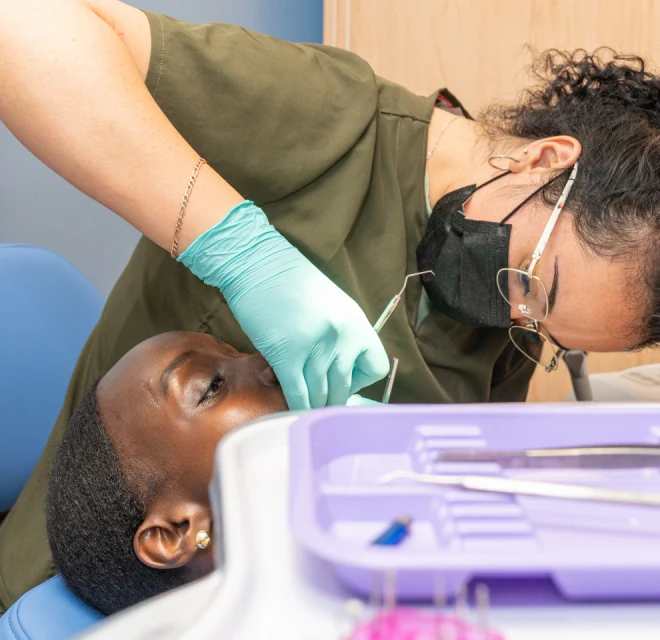
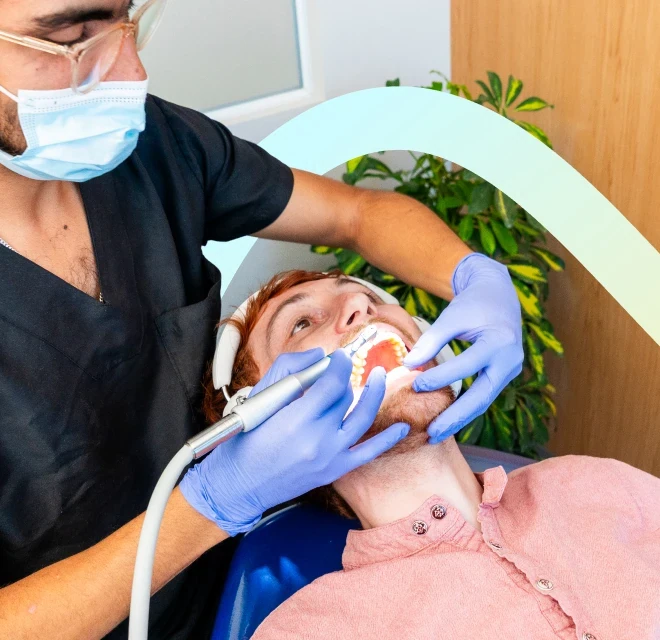
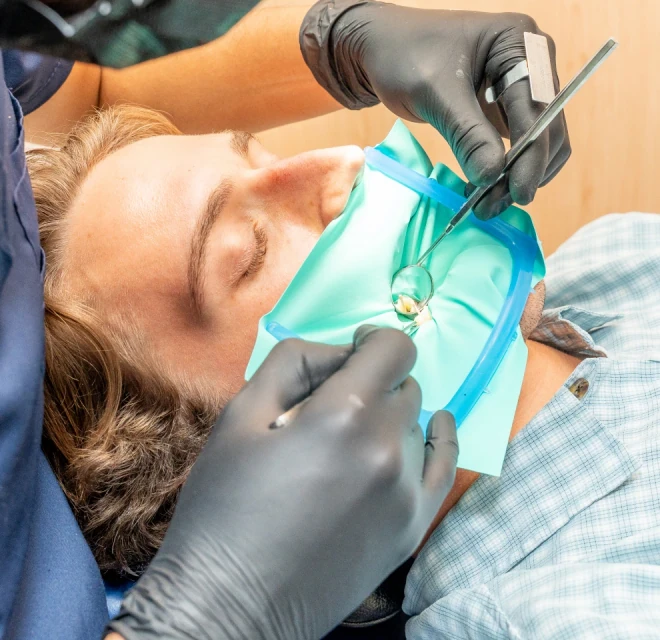
We use local anesthesia when needed, remove decay or failing material, place the composite in layers, and shape the restoration.
Before you leave, we check the bite, polish the filling, and tell you what sensitivity to expect, when to eat, and when to message us if something feels off.
We are in Roma Sur, close to Condesa and Narvarte. The location matters if you want to handle a filling without turning it into a bigger travel plan.
Tepic 139-706, Roma Sur, Cuauhtémoc, 06760 Ciudad de México, CDMX
5–10 minutes by car via Av. Insurgentes Sur; Metro Chilpancingo is one stop away.
Open in Google Maps6–12 minutes by car, or a 15–18 min walk down Medellín toward Roma Sur.
Open in Google Maps10–20 minutes by car via Av. Cuauhtémoc; Metro Etiopía → Chilpancingo in ~12–15 min.
Open in Google Maps~15–45 minutes by car (traffic-dependent). Easy Uber from Terminals 1 & 2.
Open in Google MapsThese are the questions people usually ask when it is not fully clear whether the tooth still sounds like a filling case or needs something more. We start with the decision questions and then move into price and logistics.
Often yes. This page is a good place to start if you have a small cavity, a filling that came out, a dark spot that may be decay, or a small chip that may still be repairable with composite. If the pain lingers, the tooth is badly broken, or you can barely bite on it, we still start with this exam, but the plan may change to a crown, a root canal, or another restoration.
When there is not enough tooth left to hold a direct restoration, a crown may be the better option. Large fractures, deep decay near the nerve, weak remaining tooth structure, bruxism, cracks, infection, or poor isolation can make another treatment safer before or instead of a filling.
Right now, a small 1-surface composite filling is 1,499 MXN, and a larger 2-to-3-surface filling is 1,999 MXN. USD amounts are estimates for planning and are shared when helpful. We confirm the final category after the exam because it depends on how many tooth surfaces need repair.
No. The filling price covers the composite restoration for the diagnosed tooth: anesthesia if needed, decay removal or preparation, isolation, bonding, composite placement, shaping, polishing, and bite adjustment. Diagnostic visits, X-rays/CBCT, emergency care, root canal treatment, crowns, extractions, night guards, whitening, gum care, and treatment on other teeth are quoted separately when needed.
We use tooth-colored composite resin selected to match the treated tooth. During the visit, we keep the field dry and isolated when the case requires it, place and cure the material in layers, adjust the bite, and polish the restoration before you leave.
Not exactly. On this page, a composite filling means a restoration for decay, a lost filling, or a minor chip on one tooth. Bonding usually focuses more on shape, edges, spaces, or visible cosmetic details; it may use a similar material, but it is planned and quoted differently.
It means how many sides of the tooth are involved. A cavity limited to one area usually fits the small category. If the restoration wraps across 2 or 3 sides of the tooth, it usually moves into the large category because it needs more material, more contouring, and more chair time.
Many straightforward fillings fit into about 30 to 60 minutes per tooth, but the exact timing depends on the size of the repair, how many surfaces are involved, and whether diagnostic imaging is clinically useful before treatment starts.
Most patients describe the visit as manageable. We use local anesthesia when it is needed, so the goal is no sharp pain during treatment. Mild temporary sensitivity afterward can still happen, especially to cold or when biting, which is why we re-check the bite before you leave.
Temporary sensitivity can happen because the tooth was prepared, decay was close to sensitive areas, or the bite needs a small adjustment. If the filling hits first when you close, hurts when biting, or sensitivity does not improve, message us so we can check it.
Yes, but we do not treat every intact amalgam filling as something that must be replaced right away. If the older filling is still sound, replacement is usually a cosmetic choice or a conversation about leakage, wear, or shape. We examine the tooth first and then explain whether a new filling makes sense clinically or whether the change would be mainly aesthetic.
Composite is tooth-colored, conservative, and usually repairable, but it can stain, chip, wear, feel high until adjusted, or need replacement later. Lifespan depends on the size of the repair, the tooth location, bite force, grinding habits, and your hygiene and checkups.
Composite hardens during treatment, but it is still smarter to wait until the numbness wears off so you do not bite your cheek or tongue by accident. If the tooth feels sensitive at first, softer room-temperature foods usually feel better.
It usually makes more sense if you are already in Mexico City, live here, or are combining the visit with other dental work. For one small filling alone, the bigger value is often convenience and price clarity rather than making the trip pay for itself.
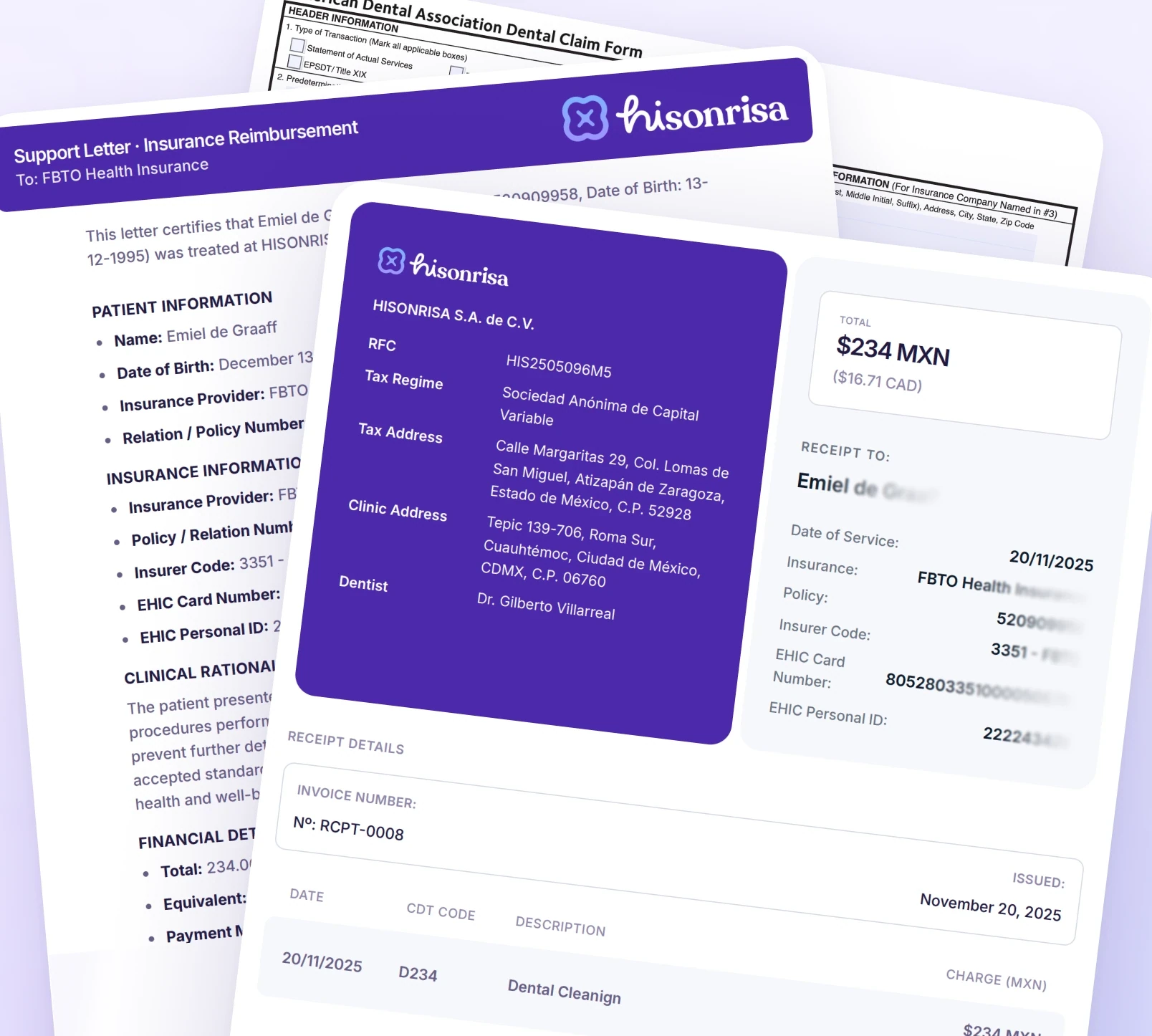
Yes. We support patients in English and Spanish, and we can prepare an itemized receipt or invoice for your records or a possible reimbursement request.
If you want to book next, go to book an appointment or contact us .
These pages help if the tooth needs diagnosis first, more support than a filling can give, or treatment inside the tooth.
We confirm the MXN fee before treatment and can prepare the documents you need. Small fillings are 1,499 MXN, and larger fillings are 1,999 MXN. Diagnostic visits, X-rays/CBCT, emergency care, root canal treatment, crowns, extractions, night guards, whitening, gum care, and treatment on other teeth are quoted separately when needed.
Confirm the category and quote. Before treatment starts, we tell you whether the filling is small or large and show the final MXN amount, with a USD estimate if helpful.
Pay at the visit. We accept major cards, bank transfer, and cash. Official quotes and card charges are handled in MXN; USD amounts are planning estimates.
Ask for paperwork before you leave. If you need an invoice, an itemized receipt, or images for your records or a possible reimbursement request, we prepare them before the visit wraps up.