




Dental crowns in Mexico City

Dental crowns in Mexico City for broken or weakened teeth

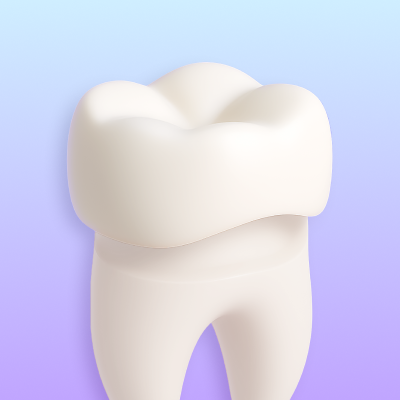
A dental crown can protect a broken, weakened, or root-canal-treated tooth when a filling or onlay is no longer enough. We examine the tooth first, then explain whether a filling, onlay, recementation, root canal treatment, E-max crown, or zirconia crown is appropriate, with English support and a clear MXN quote before treatment.

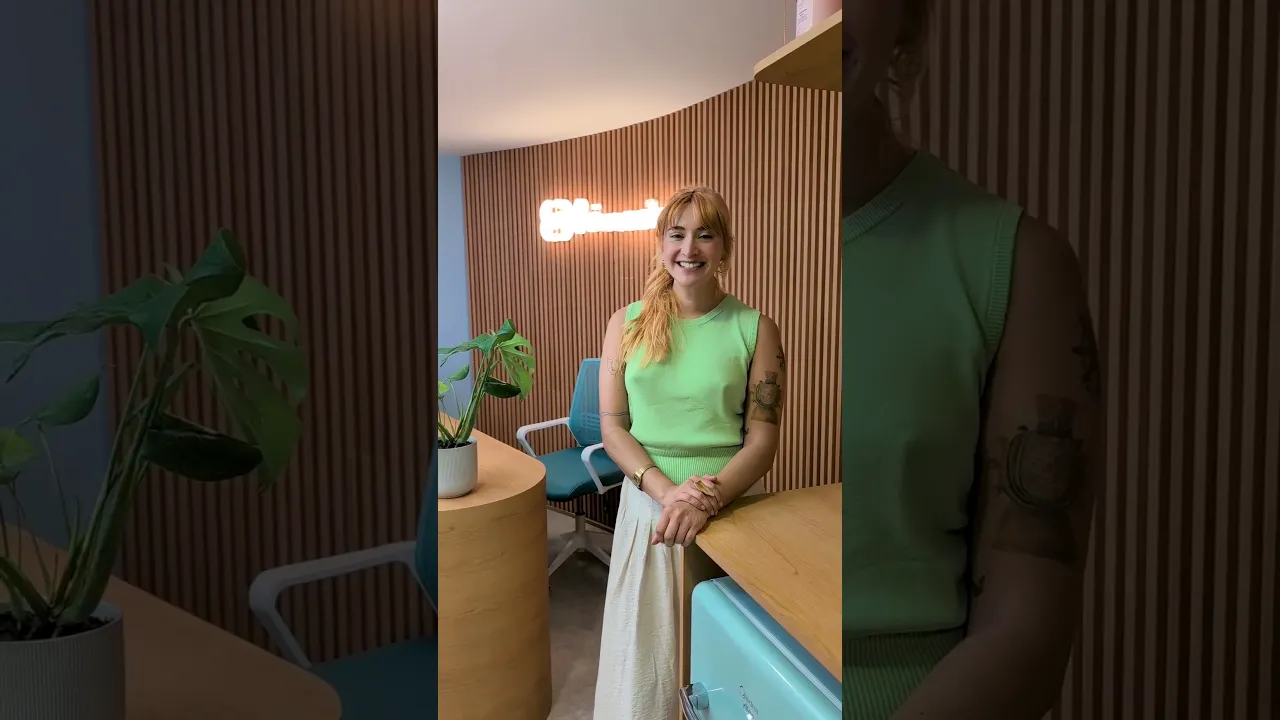
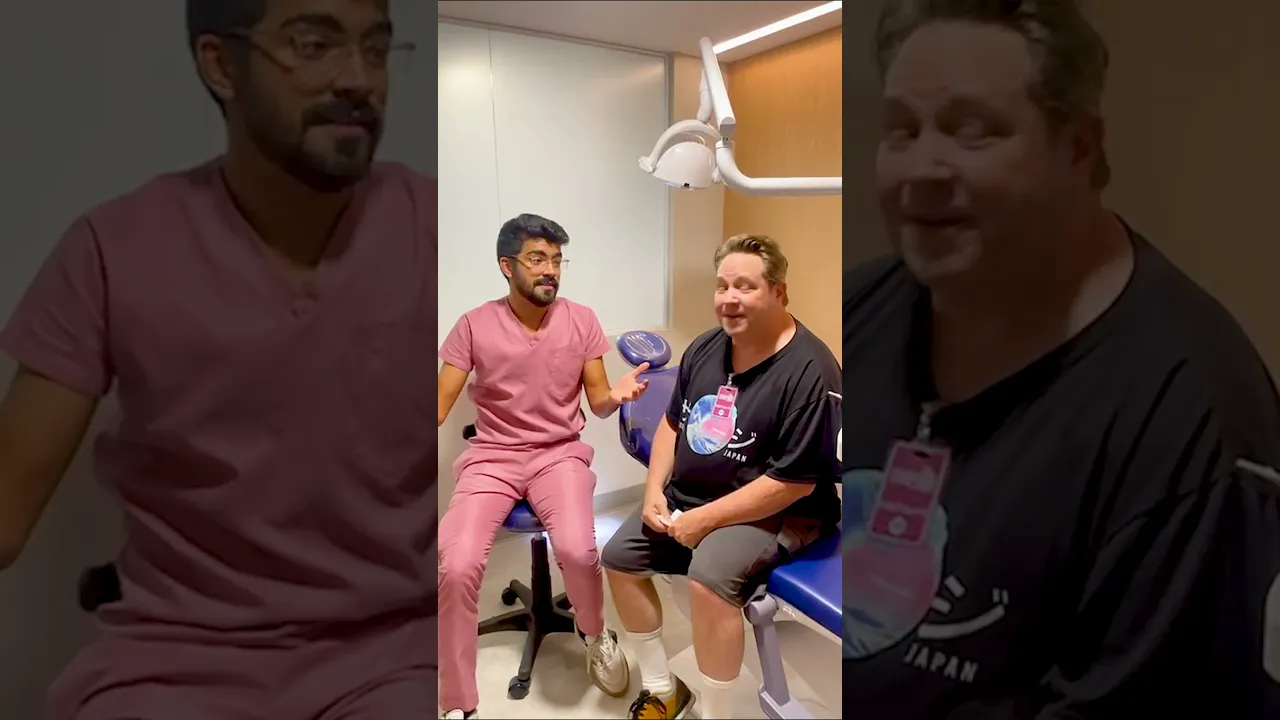
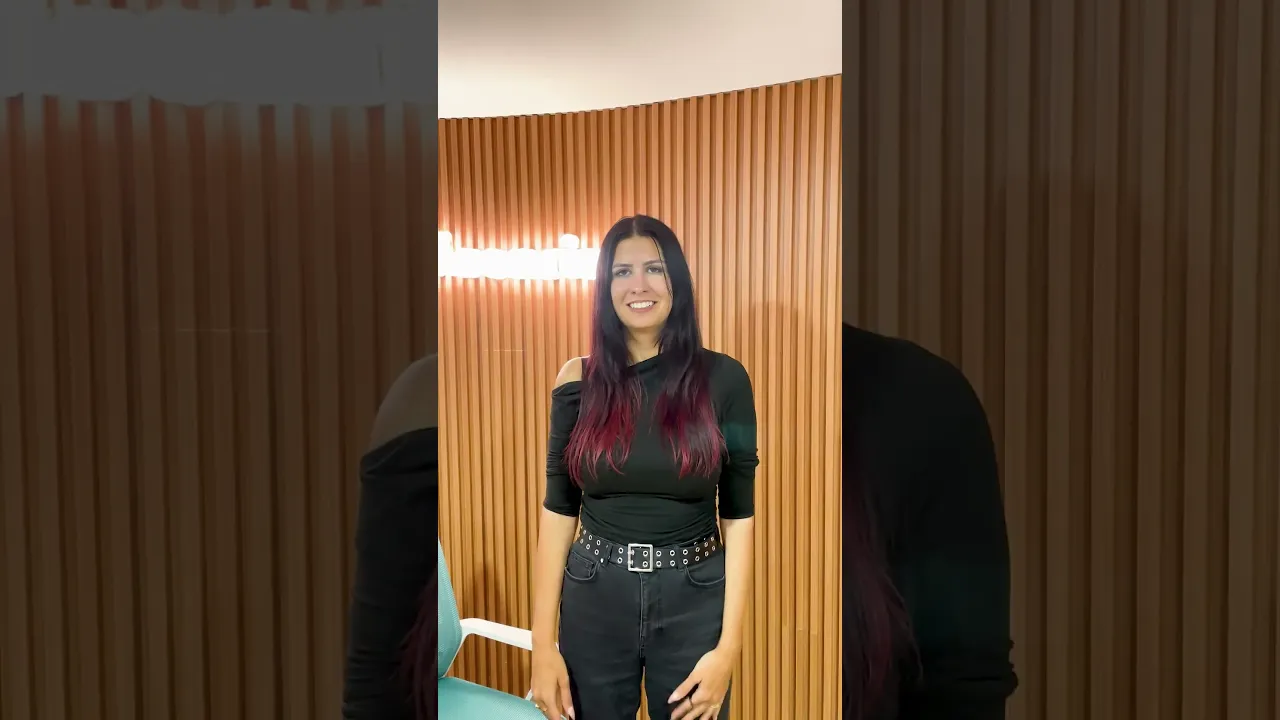
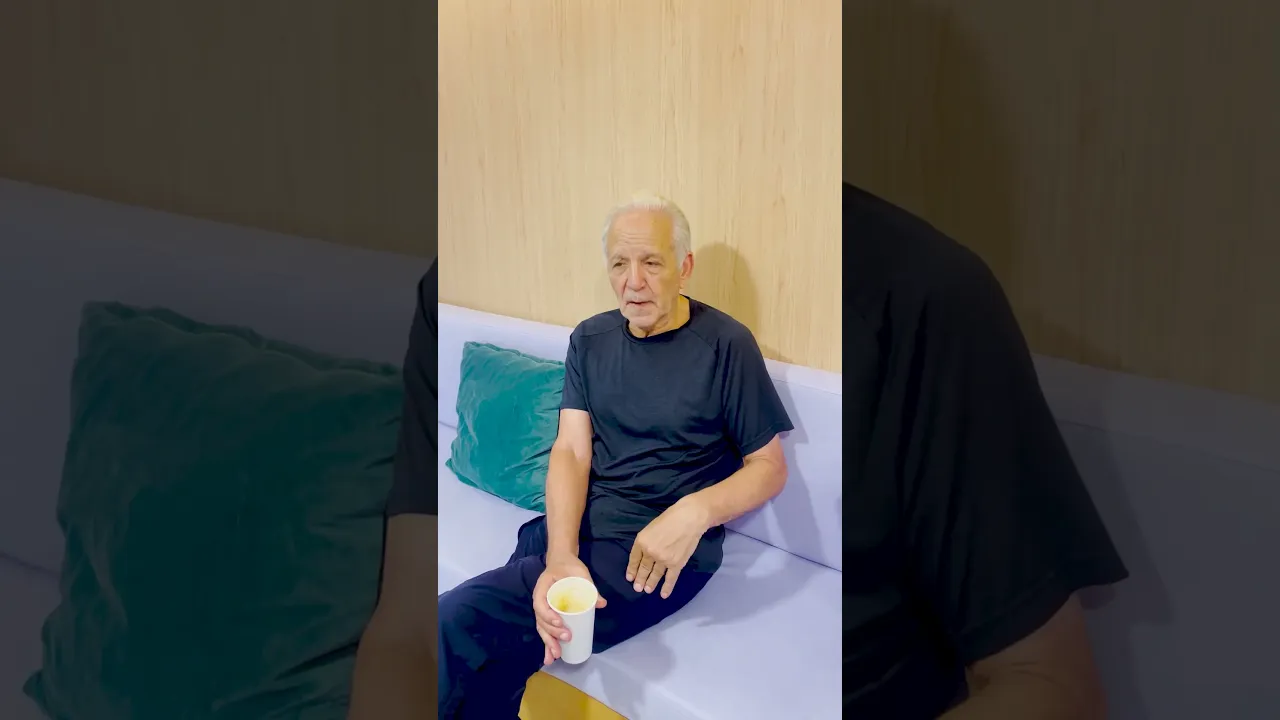
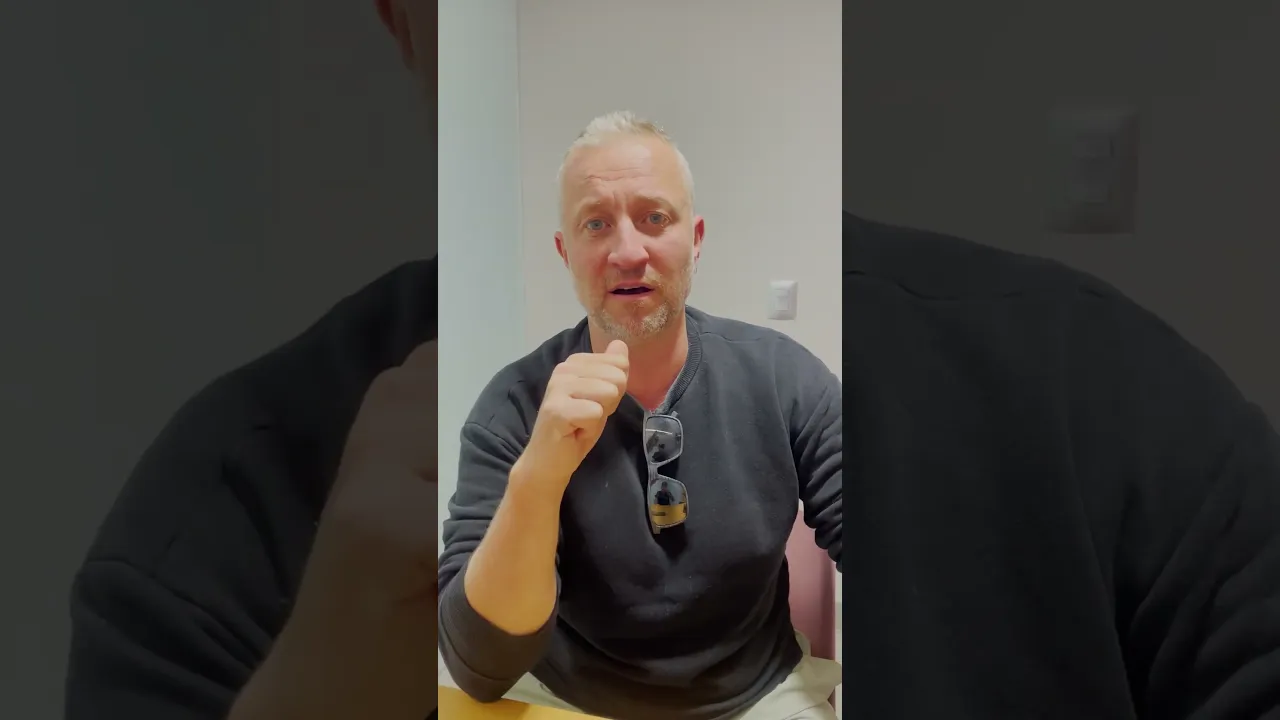
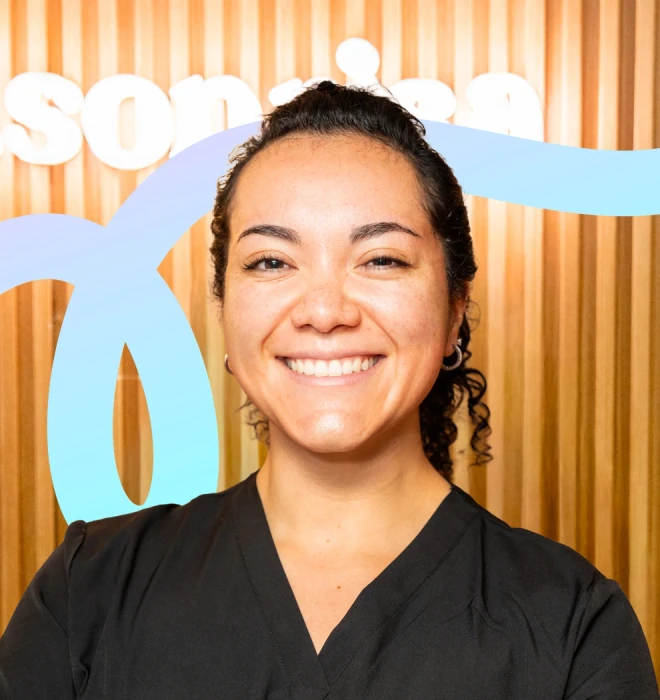
Recent patient testimonial portrait outdoors at hisonrisa in Roma Sur.
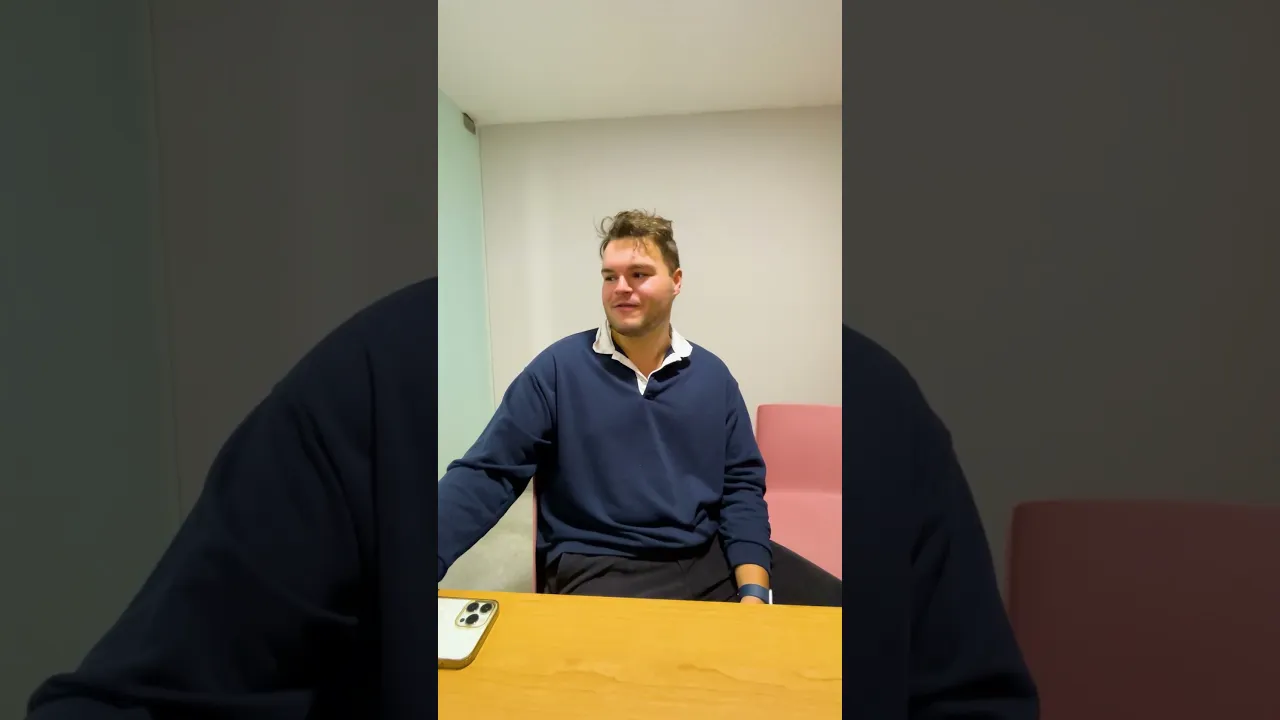
Recent patient testimonial portrait in the waiting area at hisonrisa in Roma Sur.
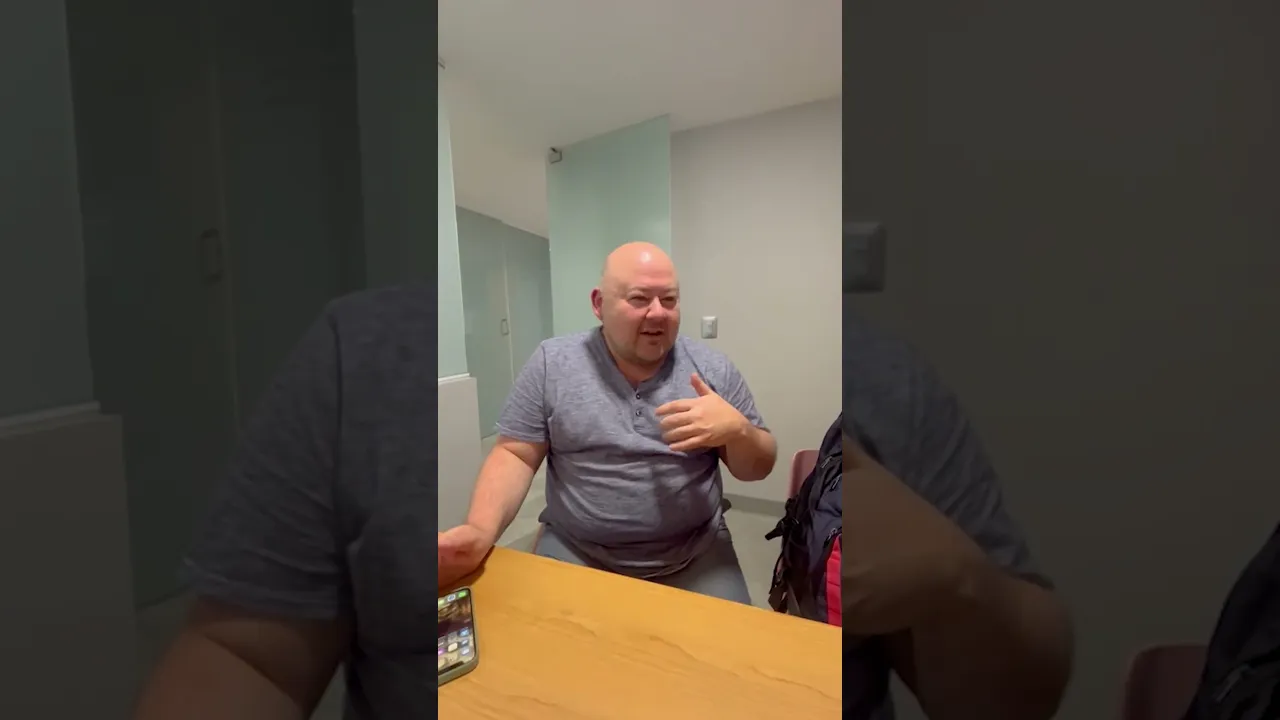
Recent patient testimonial portrait inside hisonrisa dental clinic in Roma Sur.
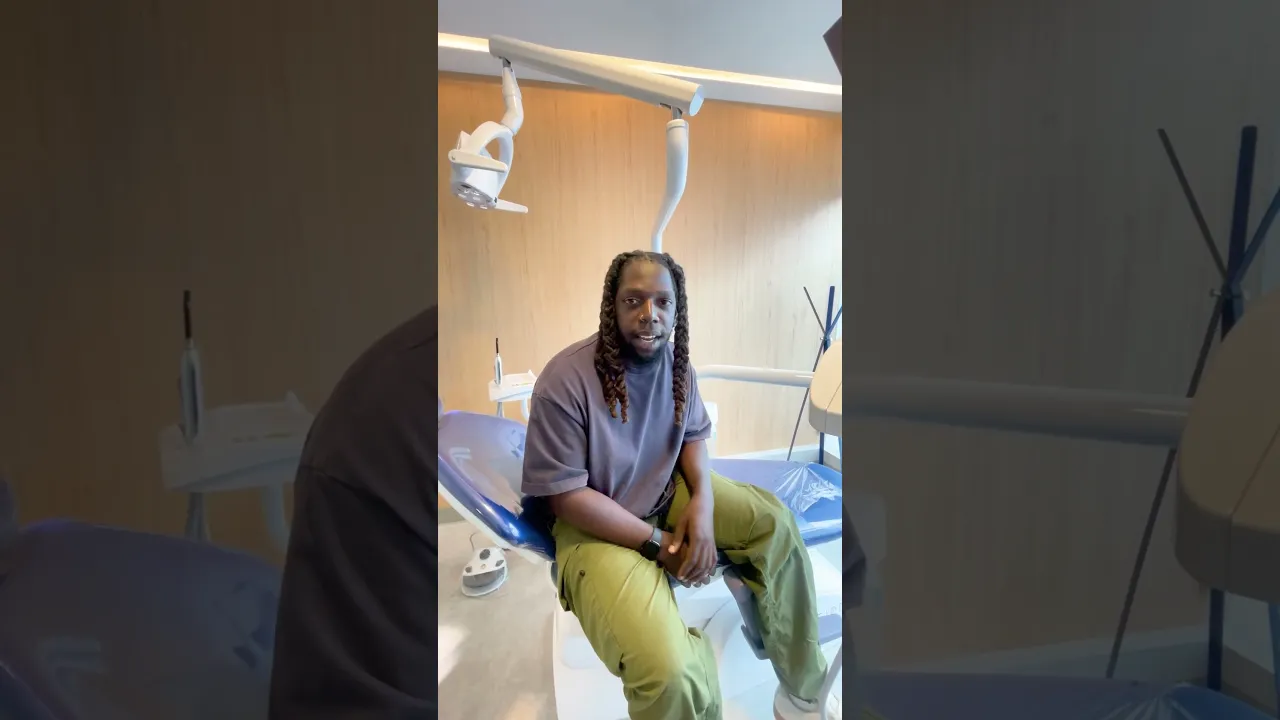
Recent patient testimonial portrait near a window at hisonrisa in Roma Sur.
4.9 out of 5 stars
4.9 from recent patients in Roma
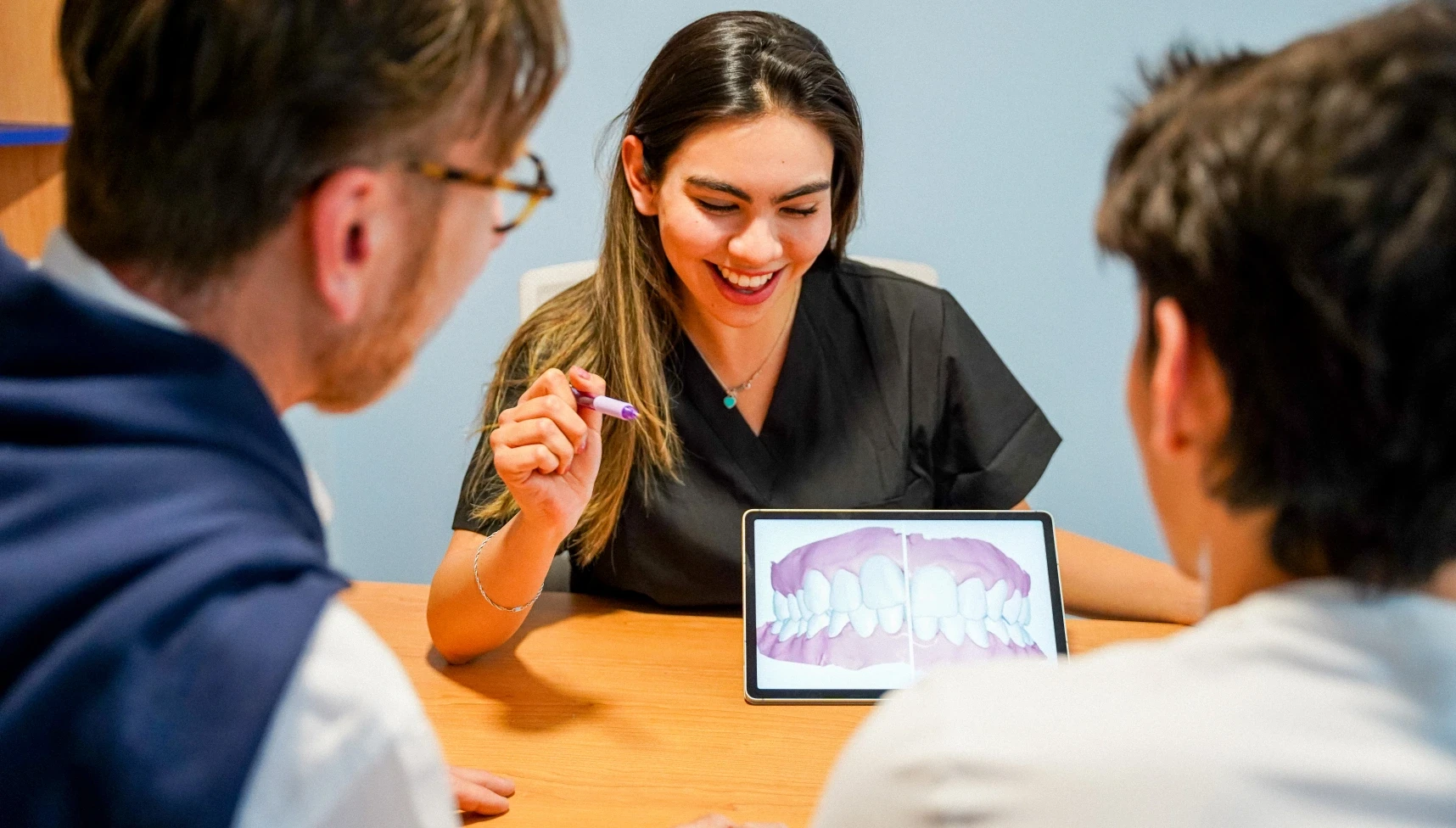
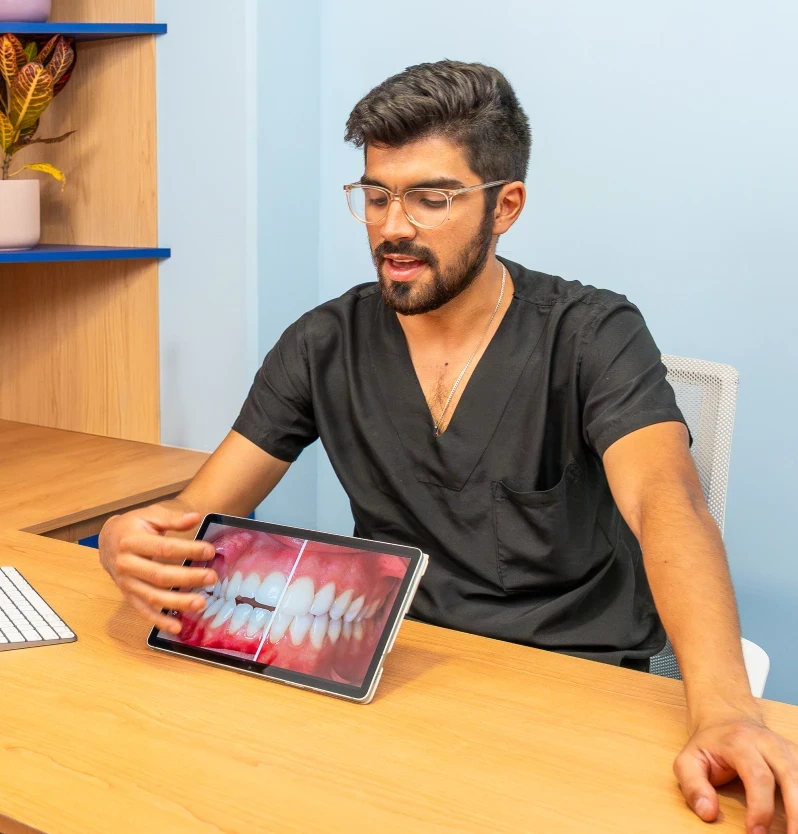
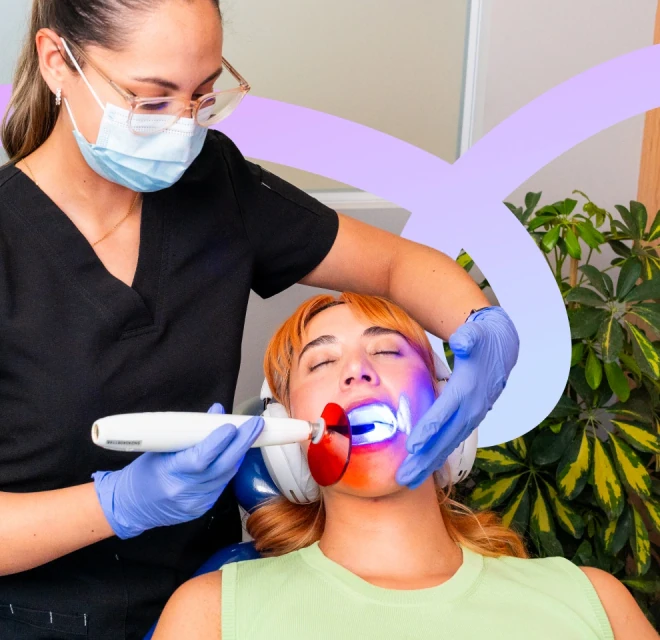
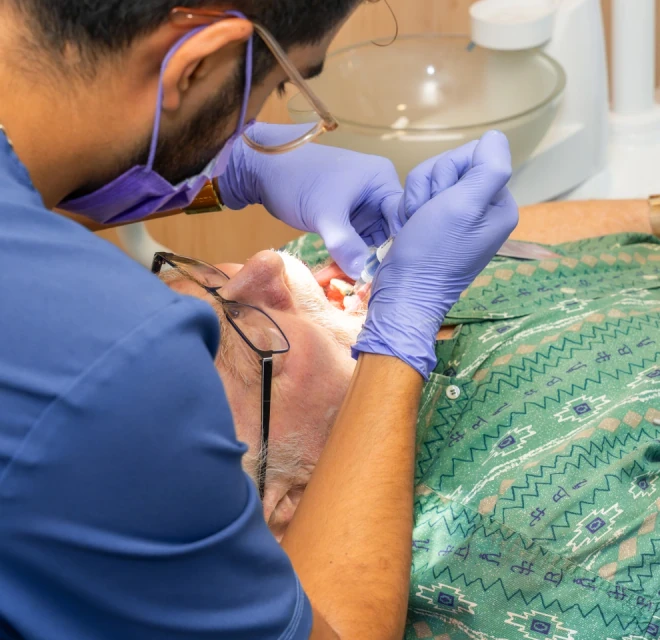
Dentist explaining a digital crown scan to a patient at hisonrisa in Roma Sur, Mexico City.
Time: usually 2 clinical stages Price: from 10,699 MXN

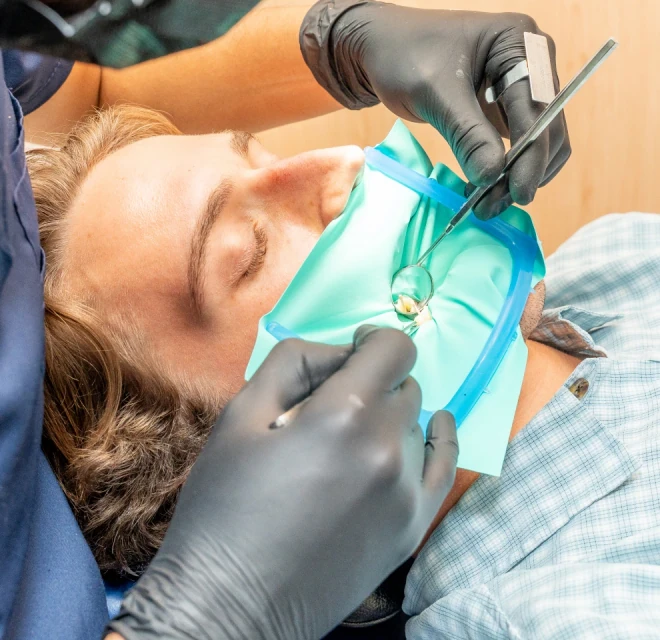
Crown stage: preparation, digital scan or impressions, a temporary when needed, final seating, bite adjustment, and aftercare guidance. Diagnostic exam or imaging is quoted separately when needed.

COFEPRIS A.P. 2509152002A00242

  • Languages: EN/ES
  • Payments:
  • Neighborhoods: Roma Sur, Condesa, Roma Norte, Narvarte
  • Hours: By appointment

Dental crowns in Mexico City, quick answers

Before booking, most patients want to know the price, whether E-max or zirconia fits the tooth, whether a filling or onlay could still work, how many visits are needed, and whether a loose crown can be recemented.

  • How much does a crown cost?

    E-max crowns currently start at 10,699 MXN, and zirconia crowns at 12,299 MXN. We confirm the final MXN quote after checking the tooth, bite, material, and whether a separate diagnostic visit is needed. Inlays/onlays, recementation, and core buildup are quoted separately when needed; selected same-day external-lab coordination is quoted separately only when the case qualifies after an in-person exam. See pricing or the full dental crown cost in Mexico City guide.

  • E-max or zirconia?

    E-max is often considered for visible teeth when a natural-looking result is the priority. Zirconia may be more appropriate for molars, heavier bite forces, or grinding. Compare materials .

  • One day or two?

    A new crown requires two clinical stages: preparation and scan or impression, then final seating and bite adjustment. Most cases are planned over separate visits. Selected cases may complete both stages the same day through an external lab, but only after an in-person exam confirms the tooth, bite, shade, material, and schedule. Check same-day crown eligibility , plan multiple crowns together , or see process .

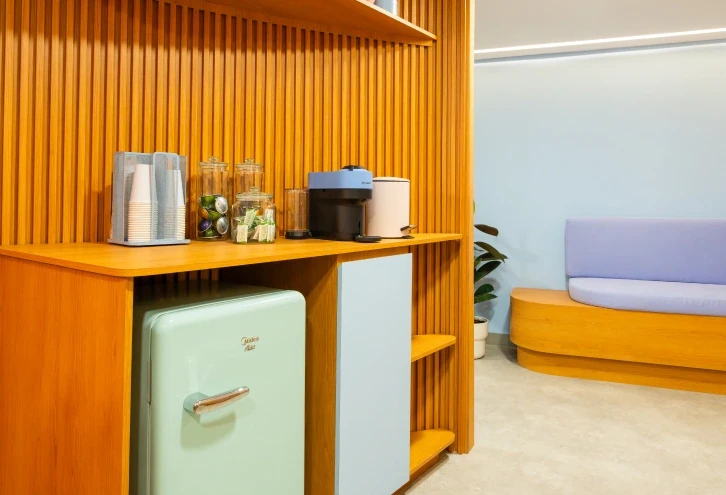
A real clinic in Roma Sur, CDMX

COFEPRIS 2509152002A00242 Roma Sur, Cuauhtémoc, CDMX

When a crown may be the right option

Before comparing crown prices, we check whether the tooth needs full coverage, could still be repaired with a filling or onlay, or needs root canal treatment first.

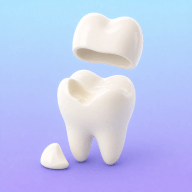
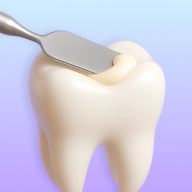
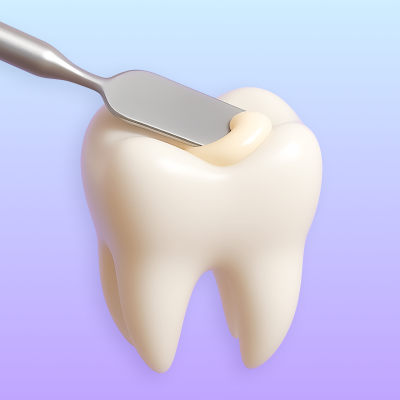
Large filling and weakened tooth icon for crown evaluation.

Large failing filling

It no longer looks like a tooth for another simple filling

When a wall of the tooth is gone, an older filling keeps fracturing, or the restoration is simply too large, the tooth may need more coverage and support than a direct filling can predictably provide.

Good fit if:

  • A large filling has already broken or come loose more than once

  • Food packs into the area or a wall of the tooth already feels missing

  • What remains of the tooth no longer protects the bite well

What this often points to: If an onlay can protect the tooth while preserving more healthy structure, we explain that option.

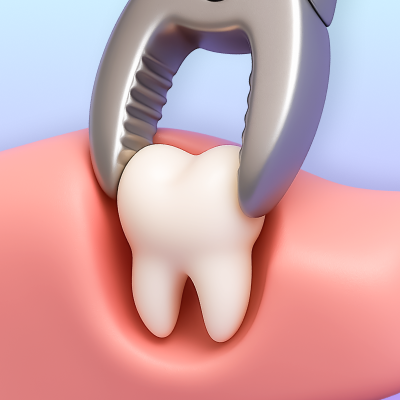
Cracked or broken tooth icon for crown evaluation.

Cracked or broken tooth

You are biting on a cracked, fractured, or heavily worn tooth

A crown may be recommended when the tooth needs to cover and protect more weakened structure, especially when the problem affects function as well as appearance.

Good fit if:

  • The tooth hurts or feels unstable when you bite

  • A cusp broke or a visible crack is already part of the picture

  • It no longer feels predictable to keep chewing on it the same way

What this often points to: Deeper cracks change prognosis. Sometimes the crown protects the tooth. Sometimes the crack means the plan has to move in a different direction.

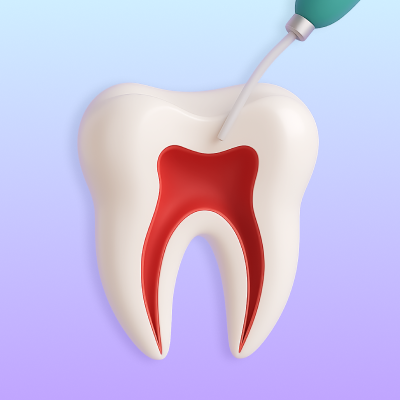
Root-canal-treated tooth icon for crown evaluation.

After root canal

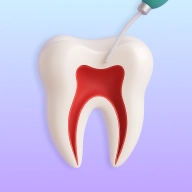
The tooth already had root canal treatment or has lost a lot of internal support

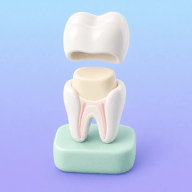
Crowns are discussed more often after root canal treatment, especially on premolars and molars or when not much functional tooth structure is left.

Good fit if:

  • You were already told the tooth will probably need final protection

  • The tooth has a large buildup or very limited healthy structure left

  • You want to know whether E-max or zirconia makes more sense afterward

What this often points to: After root canal treatment, a crown is often considered when the tooth needs more protection.

Loose or failing older crown icon for crown evaluation.

Older crown problem

An existing crown is loose, broken, or no longer sealing well

We first check whether the crown can be recemented. If there is new decay, a fracture, or a poor fit, replacement may be needed.

Good fit if:

  • The crown moved or came off

  • There is a bad taste, sensitivity, or food trapping around it

  • You want to know whether it can be saved or should be replaced

What this often points to: If the existing crown and tooth can be treated with recementation or another simpler repair, we explain that option first.

Still not sure? At the first appointment, we explain whether the tooth needs a crown, a more conservative filling or onlay, recementation, root canal treatment, or another solution.

E-max, zirconia and how the choice usually changes

The better material depends on the tooth, your bite, how visible the crown will be, and the strength the restoration needs. E-max often suits visible teeth; zirconia is often considered when bite forces or grinding matter more.

E-max Often considered for visible teeth Esthetic priority

Usually chosen when a more lifelike and translucent finish matters most

10,699 MXN

E-max is often considered for front teeth and visible premolars because it can blend with the shade and light behavior of neighboring teeth.

  • Often considered for front teeth and other visible areas
  • Useful when a natural-looking result is the main priority
  • High-load molars or heavier grinding may call for a different material

A front tooth may still need zirconia if the bite, remaining tooth structure, or long-term prognosis makes it more appropriate.

Plan a crown estimate in Mexico City

Use this tool to review E-max, zirconia, recementation, buildup, and selected same-day external-lab coordination after an in-person exam. We confirm the tooth, bite, material, timing, and any additional steps before giving the final MXN quote.

Last updated: July 14, 2026

Calculate your treatment price in Mexico City

Select treatments, adjust quantities, and compare your plan with U.S. estimates.

Select treatments to see your estimate

For the full price breakdown, see the dental crown cost guide.

What changes the final quote and timing

Your final quote can change with the material, the amount of healthy tooth remaining, recementation, core buildup, root canal treatment, or selected same-day external-lab coordination after an in-person exam.

  1. Factor 1 Material

    E-max and zirconia are priced differently because they serve different restorative needs

    The tooth type, esthetic goals, bite load, and the restoration you need all affect the material choice.

    • E-max currently starts at 10,699 MXN
    • Zirconia currently starts at 12,299 MXN
    • The final recommendation depends on the tooth, not a rule of thumb

    from 10,699 MXN

    zirconia from 12,299 MXN

  2. Factor 2 Tooth foundation
    A crown may need a buildup when too little tooth structure remains

    If too much tooth structure is missing, the crown may need a buildup before it can seat predictably. Decay, a deeper fracture, or an older restoration that must be removed can also change the scope.

    • Core buildup may be quoted separately when too little tooth structure remains
    • The full add-on breakdown is covered in the dental crown cost guide
    • Not every tooth needs a buildup
    • The goal is to give the crown a more predictable long-term foundation

    Quoted separately

    when needed

  3. Factor 3 Timing

    Selected cases may qualify for same-day external-lab coordination after an in-person exam

    For selected cases, same-day external-lab coordination may fit when an in-person exam confirms that the tooth, bite, material, esthetic needs, and lab schedule allow it. Other cases are planned over separate visits.

    • Selected same-day external-lab coordination is currently 2,599 MXN when the case fits after an in-person exam
    • Eligibility depends on the tooth, bite, material, esthetic needs, and lab schedule
    • For selected cases, external-lab same-day coordination can avoid a separate visit when an in-person exam confirms it is appropriate

    2,599 MXN

    coordination add-on

  4. Factor 4 Existing crown

    Recementation can cost less when the existing crown is still usable

    Recementation only works when the existing crown and the tooth still fit well and there is no new decay, fracture, or fit problem that changes the plan.

    • Recementation currently starts at 999 MXN
    • Bring the crown with you if it came off
    • If it no longer seals predictably, we explain when replacement makes more sense

    999 MXN

    if salvageable

  5. Factor 5 Clinical sequence

    Root canal treatment may need to come before the crown

    If the nerve is involved, we first evaluate root canal treatment and confirm that the tooth is restorable. The crown may still be part of the treatment afterward.

    • First we confirm whether the tooth is still restorable
    • The crown may still be part of the plan after root canal treatment
    • The quote changes if pain or nerve treatment comes first

    May change

    if root canal is needed

Your written quote will show whether the tooth needs a new crown, recementation, a crown with buildup, or a more conservative restoration.

How crown treatment works

Crown treatment is divided into diagnosis, tooth preparation, fabrication, and final placement. The in-person exam also tells us whether recementation, a filling or onlay, root canal treatment, separate visits, or selected same-day external-lab coordination is more appropriate.

  1. 1) Tell us what is going on

    Tell us whether the tooth broke, a large filling failed, a crown came off, another dentist already told you a crown is likely next, or whether you already have X-rays or a treatment plan to share.

  2. 2) Diagnosis and scope first

    We evaluate the tooth, bite, and any imaging needed to confirm whether you need a crown, a more conservative restoration still fits, recementation is possible, or root canal treatment should come first.

  3. 3) Prepare the tooth and reinforce the foundation if needed

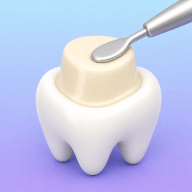
    If a crown is the right plan, we prepare the tooth, remove decay or older restorations when needed, and add buildup only if the tooth needs a stronger foundation before scanning or taking impressions.

  4. 4) Choose separate visits or selected same-day coordination

    A new crown requires two clinical stages: preparation and scan or impression, then final seating and bite adjustment. Most cases are planned over separate visits. Selected cases may complete both stages the same day through an external lab, but only after an in-person exam confirms the tooth, bite, shade, material, and schedule.

  5. 5) Seat the crown and finish the final fit

    The final visit checks fit, contacts, color when that matters, comfort while biting, and care instructions. After placement, avoid hard or sticky foods until numbness wears off, keep brushing and flossing as directed, and tell us if the bite feels high, the crown feels loose, or pain increases instead of settling.

4.9 stars on Google from verified patient reviews

What patients notice at hisonrisa

These are clinic-wide reviews, so not every comment comes from a crown visit. They show how patients describe the explanations, calm care, treatment planning, and follow-up at hisonrisa.

Meet the team involved in crown planning

Crown planning brings together restoration, bite, gum health, and sometimes root canal care. Meet the clinicians who may take part in your treatment.

Portrait of Lic. Laura Valdez, registered nurse and patient experience lead at hisonrisa in Roma Sur, Mexico City.
Patient experience · RN Céd. Prof. 13329093

Lic. Laura Valdez

Registered nurse and patient experience lead helping with messages, scheduling, and follow-up.

Patient experience · RN Céd. Prof. 13329093
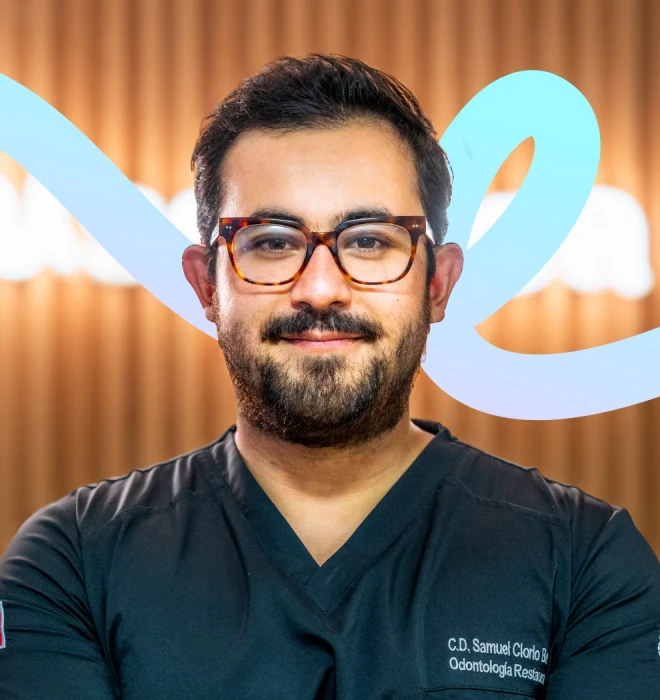
Portrait of Dr. Samuel Clorio, prosthodontist at hisonrisa in Roma Sur, Mexico City.
Prosthodontist Céd. Prof. 13186528

Dr. Samuel Clorio

Prosthodontist focused on crowns, fixed rehabilitation, material selection, bite, and restorative esthetics.

Prosthodontist Céd. Prof. 13186528
Portrait of Dra. Natalia Vazquez, general dentist at hisonrisa in Roma Sur, Mexico City.
General dentist Céd. Prof. 12244726

Dra. Natalia Vazquez

Evaluates whether the tooth can be repaired with a filling or onlay or needs the coverage of a crown.

General dentist Céd. Prof. 12244726
Portrait of Dra. Andrea Ruiz, general dentist at hisonrisa in Roma Sur, Mexico City.
General dentist Céd. Prof. 13759097

Dra. Andrea Ruiz

Restorative dentist focused on crowns, occlusal fit, and choosing between E-max and zirconia.

General dentist Céd. Prof. 13759097
Portrait of Dr. Gilberto Villarreal, endodontist at hisonrisa in Roma Sur, Mexico City.
Endodontist Céd. Prof. 13177755

Dr. Gilberto Villarreal

Participates when the nerve may be involved and root canal treatment needs evaluation before the crown.

Endodontist Céd. Prof. 13177755
Portrait of Dra. Roxana Castillo, periodontist at hisonrisa in Roma Sur, Mexico City.
Periodontist Céd. Prof. 13268948

Dra. Roxana Castillo

Supports the cases where gum health and the restorative margin matter for how predictably the crown seats and holds up.

Periodontist Céd. Prof. 13268948

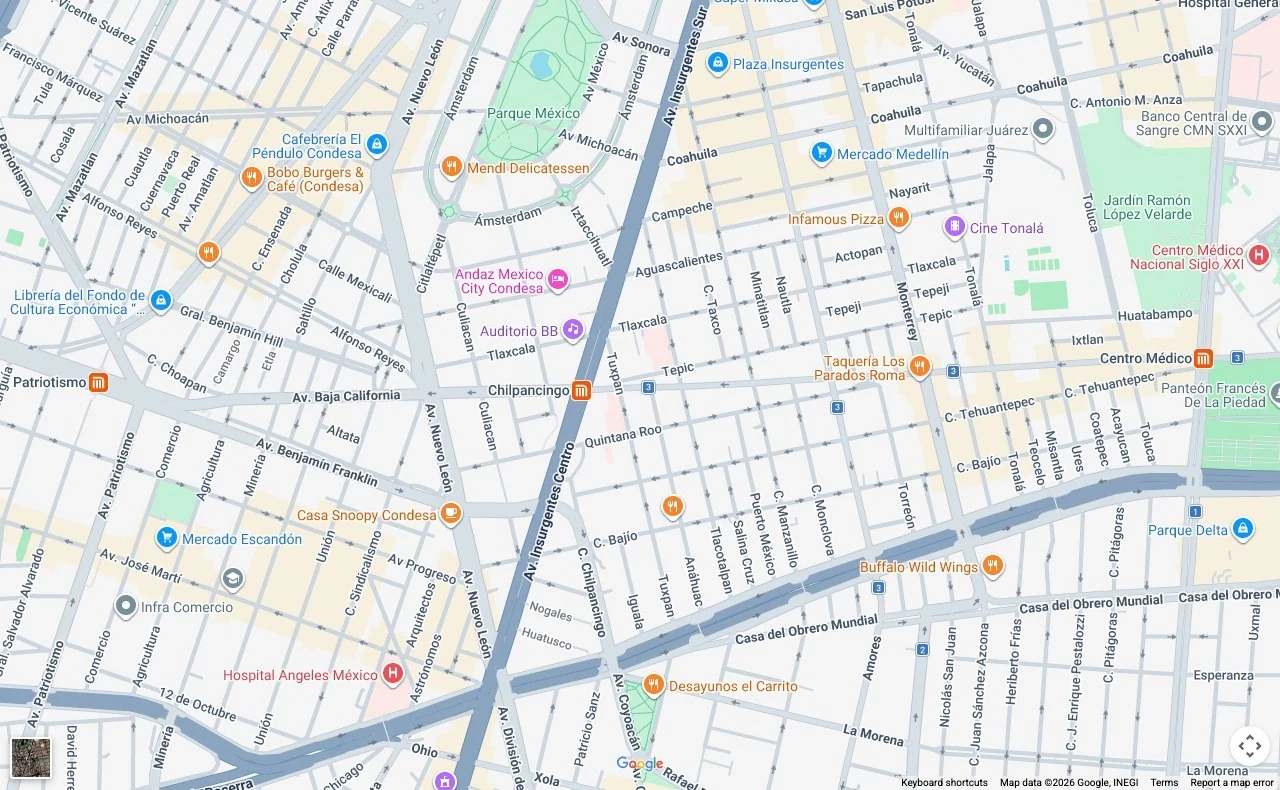
Find us in Roma Sur , easy to reach from Condesa and Roma Norte

Our clinic is near Metro Chilpancingo, Condesa, Roma Norte, and Narvarte. The location is easy to reach for the diagnostic, preparation, and final-placement visits a crown may require.

  • Address: Tepic 139-706, Roma Sur
  • Nearby areas: Condesa, Roma Norte, Narvarte
  • Access: Elevator and wheelchair friendly

Tepic 139-706, Roma Sur, Cuauhtémoc, 06760 Ciudad de México, CDMX

  • From Condesa

    5–10 minutes by car via Av. Insurgentes Sur; Metro Chilpancingo is one stop away.

    Open in Google Maps
  • From Roma Norte

    6–12 minutes by car, or a 15–18 min walk down Medellín toward Roma Sur.

    Open in Google Maps
  • From Narvarte

    10–20 minutes by car via Av. Cuauhtémoc; Metro Etiopía → Chilpancingo in ~12–15 min.

    Open in Google Maps
  • From AICM (Airport)

    ~15–45 minutes by car (traffic-dependent). Easy Uber from Terminals 1 & 2.

    Open in Google Maps

Common questions about dental crowns in Mexico City

Find answers about when a crown may be needed, how it compares with a filling, whether E-max or zirconia fits better, current prices, timing, and recementation.

A crown is more likely when too much tooth structure is missing, a large filling keeps breaking, a cusp cracked, the tooth has heavy bite forces, or the tooth needs protection after root canal treatment. If enough healthy tooth remains, a filling or onlay may still be the more conservative option.

Related dental services that may be part of your crown plan

If you are still comparing a crown with a filling, onlay, root canal, bridge, implant, or urgent visit, these treatments can help you understand the options.